Leave Your Message
0%

Picking out a toilet for an international project isn't just about how it looks. There are plenty of real-world factors to think about—like how well it flushes, water efficiency, the shape of the bowl, how easy it is to install, and what kind of after-sales support you can count on. This guide dives into the Top 10 Siphonic One Piece Toilets for global buyers, keeping all those practical concerns front and center.

A Siphonic One Piece Toilet uses a siphonic action to move water and waste through the trapway. Its sleek, all-in-one design means fewer visible seams and makes regular cleaning a lot easier. But, fair warning, performance can vary a lot from one model to another. And just because a ceramic looks shiny and nice doesn’t mean it’s gonna flush with power—that’s a common misconception.

Richard Trethewey, a well-known plumbing expert and TV personality, often reminds folks that good plumbing should be quiet, efficient, and, most importantly, reliable. That’s a good rule of thumb when you’re comparing brands like Kohler, TOTO, American Standard, or others. Keep an eye on certified water use, trapway design, how well it actually flushes in tests, seat comfort, rough-in sizes, and how easy it is to get parts later on. Honestly, these details matter way more than the fancy photos on the box.

And let’s be real—experience shopping for toilets also uncovers some tough truths. The priciest models aren’t always the best bang for your buck. Sometimes, a cheaper toilet can end up costing more in the long run if it gets damaged during shipping, comes with confusing instructions, or if replacement parts are hard to find. And don’t forget—regional water pressure can totally change how well it performs. That’s a detail that’s often overlooked but really makes a difference.

Our picks are based on a mix of performance, design, ease of maintenance, how straightforward it is to install, and how reliable the supplier seems. But hey, this list isn’t a flawless ranking—product specs change, and independent testing isn’t always available everywhere. So, it’s smart for buyers to double-check current certifications and local plumbing rules before you order. After all, a good toilet should fit your bathroom, work with your water system, and hold up over the long haul—not just look good on the website.
Top 10 Siphonic One Piece Toilets for Global Buyers

What Defines a Siphonic One-Piece Toilet?

A siphonic one-piece toilet is defined by the way water and air move through its trapway. During a flush, water leaves the tank quickly and fills the bowl. This creates a siphon that pulls waste through the outlet. The trapway stays filled with water afterward. That water forms the visible seal against sewer gases. Unlike a simple washdown toilet, siphonic action depends on timing, water depth, and a carefully shaped passage. It is not magic. Small design differences matter.

For global buyers, inspect the trapway diameter, glazed interior, flush valve size, and certified water-use rating. A fully glazed trapway usually offers fewer rough surfaces where paper can catch. The bowl should keep enough water for a clean, comfortable seal. A wider opening may look impressive, but hydraulic balance matters more than appearance. In my installation checks, poor supply pressure often explains a weak flush. The toilet itself is not always at fault. Measure the rough-in before ordering. A mismatch can leave an otherwise sound unit unusable.

A China Siphonic One Piece Toilet should be evaluated with the same practical standards. Ask for test data, dimensional drawings, spare seal information, and packaging details. One-piece construction reduces joints and simplifies cleaning around the base. Yet its heavier body demands careful handling during installation. I have seen hairline damage begin with a careless lift. That lesson stays with me. Check the floor, flange, and shutoff valve before final placement. Also examine how easily the seat, flush button, and inlet filter can be serviced. Reliable performance comes from hydraulic design and disciplined installation.

How Siphonic Flushing Technology Works

Siphonic flushing uses water movement to create a temporary vacuum inside the trapway. When the flush valve opens, water enters the bowl and pushes waste toward the outlet. A dedicated jet can accelerate this flow. As the trapway fills, trapped air is displaced, and siphonic action pulls water and waste through the curved passage. The bowl often refills with a deeper water seal, helping control odors. It sounds simple. Small design details matter.

The U.S. EPA WaterSense Specification Version 2.0 limits qualifying toilets to 1.28 gallons per flush or less. It also requires tank-type models to pass a 350-gram waste-removal test under the MaP protocol. These figures help global buyers compare flushing performance instead of trusting appearance alone. ASME A112.19.2 and CSA B45.1 cover important plumbing performance requirements. An OEM Siphonic One Piece Toilet should therefore be assessed by certified test results, trapway geometry, jet strength, and refill noise.

In practical use, a wide outlet can reduce blockage risk, while a narrow or poorly glazed trapway may collect residue. One-piece construction removes the tank-to-bowl joint, but it can increase shipping weight and replacement difficulty. I would not assume every siphonic model performs equally. Water pressure, paper type, installation angle, and drain design can change the result. A quiet flush may still need better bowl wash performance. The specifications deserve a second look.

Key Features Used to Compare the Top 10 Models

Comparing the top 10 siphonic one piece toilets requires more than reading flush ratings. Practical evaluation should examine flushing power, water efficiency, bowl shape, trapway design, and installation details. Siphonic models use a strong water seal and rapid discharge, helping reduce odors and surface residue. Look for a fully glazed, wider trapway because waste movement can vary with household use. Flush performance matters most. Not every test reflects daily life.

Rim design also deserves attention. A smooth, easy-clean rim reduces hidden buildup around the bowl. Check the seat height, lid stability, soft-closing function, and ceramic thickness.

A compact toilet may suit a small apartment, while a longer bowl can offer better comfort. Compare rough-in measurements carefully. Small errors create expensive installation problems.

Tips: Ask suppliers for water-pressure requirements, carton dimensions, replacement parts, and installation drawings. For global buyers, verify compatibility with local plumbing layouts and available connections. A Wholesale Siphonic One Piece Toilet should also have consistent glazing, secure packaging, and clear quality records. Inspect sample units when possible. One weakness remains: showroom flush tests cannot predict every home’s water pressure or user habits. Include real-use feedback before making the final comparison.

Top 10 Siphonic One-Piece Toilets by Design and Performance

When comparing the top ten siphonic one-piece toilets, polished product photos are not enough. I examine trapway shape, flush noise, bowl reach, seat height, and cleaning access. A siphonic design uses a water-filled trapway to create strong pulling action. This helps clear waste with less visible residue. Performance starts here. For global buyers, water pressure and supply conditions can change the result. A toilet tested in a showroom may behave differently in an older building.

The strongest designs balance a compact silhouette with a generously glazed bowl. Rounded tanks suit small bathrooms, while skirted bases reduce exposed corners and dust. Yet a narrow rim can make cleaning awkward. I inspect the hinge area and flush valve before judging appearance. A dependable seat, stable mounting points, and accessible replacement parts matter during daily use. Dual-flush controls can reduce water consumption, but weak settings may require a second flush. That is not always efficient. An ODM Siphonic One Piece Toilet should match local inlet pressure, drainage standards, and user habits.

For hotels, apartments, and home upgrades, I value repeatable flushing over one impressive demonstration. A smooth glazed surface supports hygiene, but it does not replace regular care. Some listings promise quiet operation without publishing test conditions. That deserves caution. No shortlist is perfect. I may overlook a minor installation issue during a quick inspection. Clear specifications, tested water use, robust ceramic, and service documentation remain practical evaluation points. I would still test samples where possible. Small installation details can expose major design weaknesses.

Water Efficiency, Certifications, and Global Standards

Top 10 Siphonic One Piece Toilets for Global Buyers

Choosing among the top 10 siphonic one piece toilets requires more than comparing appearance. Water efficiency matters at every flush. The U.S. EPA WaterSense specification limits certified toilets to 1.28 gallons per flush, about 4.8 liters, while requiring stronger performance than older 1.6-gallon models. The UN World Water Development Report also identifies household water demand as a growing global concern. For buyers, a low-flow design should still clear the bowl reliably. A weak flush creates repeated flushing, wasting more water.

Certifications reveal whether performance claims are credible. North American buyers can check ASME A112.19.2 and CSA B45.1 compliance. European projects often reference EN 997. Australia and New Zealand commonly use AS/NZS 6400 and WELS ratings. ISO 31600 also supports water-efficiency labeling practices. Check trapway tests, rim-wash coverage, inlet compatibility, and local replacement parts. A global model may not fit every plumbing system. A perfect shortlist does not exist. Installation conditions can change results.

Tips: Compare liters per flush, not only marketing labels. Request independent test results, warranty terms, and certification numbers. Measure the rough-in before ordering. Inspect the glaze under bright light; tiny defects can become cleaning problems. My selection method would still be revised after long-term field data, because laboratory flushing cannot fully represent hard water, aging seals, or uneven household pressure.

How to Choose the Right Toilet for Different Markets

Top 10 Siphonic One Piece Toilets for Global Buyers

How to Choose the Right Toilet for Different Markets

Choosing a siphonic one piece toilet requires more than comparing appearance and price. Local water pressure, drainage design, rough-in distance, and user habits can change performance. The 2023 WHO/UNICEF Joint Monitoring Programme reported that 3.5 billion people lacked safely managed sanitation services in 2022. Reliable flushing and easy cleaning therefore matter beyond showroom appeal. For a top-ten shortlist, check trapway geometry, rim design, seat height, ceramic absorption, and maintenance access. A compact bowl may suit apartments, but larger users may need a longer projection.

Water efficiency also differs by market. The US EPA WaterSense specification limits qualifying tank-type toilets to 1.28 gallons per flush, or less, while maintaining tested performance. However, low consumption alone does not guarantee a strong flush. Confirm testing under EN 997, AS/NZS 6400, or the destination market’s required standard. Check inlet size, shutoff compatibility, and spare-part availability before ordering. I have seen attractive models fail after installation because the rough-in was wrong. That mistake is expensive and avoidable.

Tips: Match the toilet to local plumbing first. Request flushing test results, carton dimensions, and installation drawings. In hard-water regions, choose smooth internal surfaces and accessible components. Coastal buyers should consider corrosion-resistant fittings. A perfect ranking is impossible; real bathroom conditions often expose weaknesses that catalog photos hide.

OL-783 Square Smart Toilet: A Complete Guide to Spacious Comfort and Modern Bathroom Design

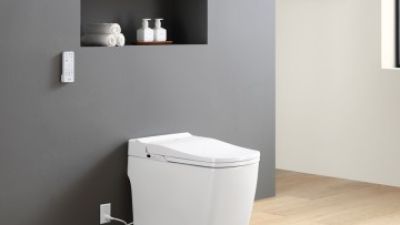
The OL-783 Square Smart Toilet combines spacious comfort with a clean, modern bathroom aesthetic. Its square ceramic body and wide square seat create a more accommodating sitting area, offering ergonomic support for users of different sizes. The balanced geometric profile works especially well in contemporary interiors, where strong lines, uncluttered surfaces, and practical functionality are central to the design. With integrated smart technology, the toilet can enhance everyday convenience while maintaining a refined and streamlined appearance.

Water efficiency is also an important consideration in modern bathroom planning. According to the U.S. Environmental Protection Agency’s WaterSense specification, certified toilets use 1.28 gallons per flush or less, compared with the conventional 1.6-gallon benchmark, while delivering effective performance. This highlights the growing demand for bathroom products that combine comfort, responsible resource use, and reliable engineering. The OL-783 is suited to residential developments, hospitality projects, renovated bathrooms, and accessible design concepts requiring additional seating space. OEM/ODM cooperation, trade orders, and wholesale purchasing are accepted; please contact us for specifications, customization options, pricing, or project support.

FAQS

What is a siphonic one-piece toilet?

It uses water movement to create a temporary siphon inside the trapway. This action pulls waste through the curved outlet. The trapway keeps a water seal afterward.

How does siphonic flushing work?

Water quickly leaves the tank and fills the bowl. A jet may push water toward the outlet. Displaced air helps create the siphon. It is not magic.

Why does the trapway design matter?

The trapway controls water speed, waste removal, and blockage risk. A fully glazed interior provides fewer rough surfaces for paper to catch. A wide opening helps, but hydraulic balance matters more.

How much water should a qualifying toilet use?

Some efficient models use 1.28 gallons per flush or less. Ask for certified water-use ratings before comparing products. Appearance proves very little.

What performance tests should buyers request?

Request certified waste-removal results, dimensional drawings, and hydraulic test data. A 350-gram waste-removal test is a useful comparison point. Do not trust impressive photographs alone.

What should buyers inspect before ordering?

Measure the rough-in, floor flange, supply line, and shutoff valve. A rough-in mismatch can make a sound toilet unusable. Check twice.

Does one-piece construction simplify maintenance?

It removes the tank-to-bowl joint and makes base cleaning easier. However, the heavier body needs careful handling during installation. A careless lift can cause hairline damage.

Which parts should remain easy to service?

Check access to the seat, flush button, inlet filter, and replacement seals. Also ask about spare parts and packaging protection. Convenience matters later.

Can water pressure affect flushing performance?

Yes. Poor supply pressure can produce a weak flush, even with good toilet design. Drain layout, installation angle, and paper type also influence results. The toilet is not always at fault.

Does a quiet flush guarantee strong cleaning?

No. A quiet flush may still provide weak bowl washing. Review jet strength, water coverage, and refill performance separately. This detail is easy to overlook.

Conclusion

A Siphonic One Piece Toilet combines the tank and bowl into one streamlined, easy-to-clean unit while using siphonic action to create strong, quiet flushing performance. This article explains how siphonic flushing works, including the role of water movement, trapway design, and bowl shape in removing waste efficiently. It also introduces the key features used to compare ten leading models, such as flush power, water consumption, comfort, durability, cleaning convenience, installation requirements, and overall design.

The comparison considers toilets suited to different residential and commercial markets, with attention to water-efficiency ratings, certification expectations, and compatibility with regional plumbing standards. Buyers will also learn how to select the right Siphonic One Piece Toilet according to bathroom size, user needs, climate, infrastructure, maintenance preferences, and local market requirements. By balancing performance, sustainability, appearance, and long-term reliability, the guide provides a practical framework for making a confident purchasing decision.
Sophia

Sophia

Sophia is a dedicated marketing professional at Guangdong Oulu Sanitary Ware Co., Ltd., where she showcases her expertise in the sanitary ware industry. With a deep understanding of the company’s innovative product range, she passionately communicates the unique features and benefits of each item......
Previous What Are the China Top Bathroom Bidet Suppliers?