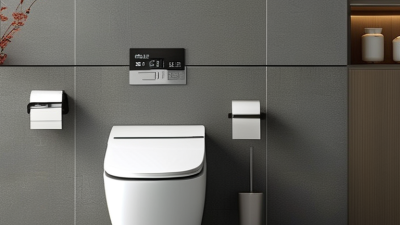
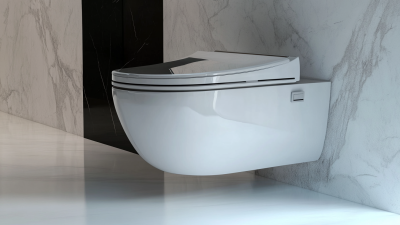
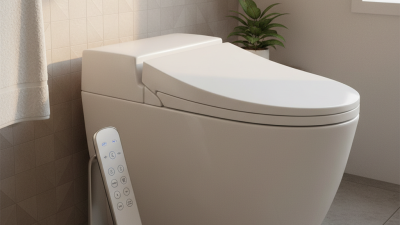
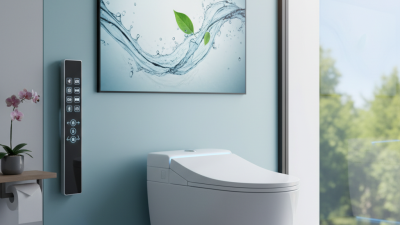
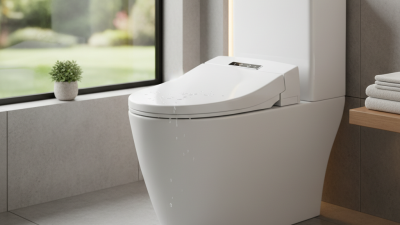
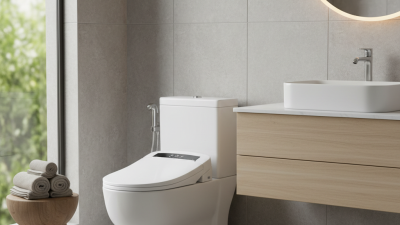
Picking the right bidet toilet sounds pretty straightforward—until you get into installation details, and then it can really sway your decision. If you're buying from another country, you'll want to compare things like design, flushing performance, water pressure, electrical needs, and local plumbing rules. This guide looks at the Top 10 One Piece Bidet Toilet types for different bathrooms, budgets, and what users expect. Each type gives you its own mix of hygiene, comfort, maintenance, and looks.
A One Piece Bidet Toilet puts the bowl and tank together in one unit. That smooth, integrated shape can mean fewer visible seams and easier everyday cleaning. Some models come with heated seats, warm-water washing, air drying, night lights, and automatic flushing. But those fancy features might need steady power and a professional install. So check voltage compatibility carefully. Measure your bathroom before you order. And confirm the rough-in distance, inlet position, drainage setup, and service access. Honestly, those details matter way more than a pretty product photo.
The comparison also looks at ceramic quality, glaze durability, water efficiency, controls, and whether replacement parts are easy to find. If you've done this before, review the warranty and installation instructions before picking a model. A cheaper price up front can end up costing more later if parts are hard to source. That's something people often miss.
The phrase One Piece And Two Piece Toilet covers a wider comparison, but this article sticks with integrated bidet designs. No single ranking will fit every home. Comfort, local climate, bathroom size, and your own maintenance habits still shape the final choice. Some of it is just subjective—and yeah, that's worth admitting. The most reliable decisions come from matching verified specs to your actual installation conditions, not from looks alone.
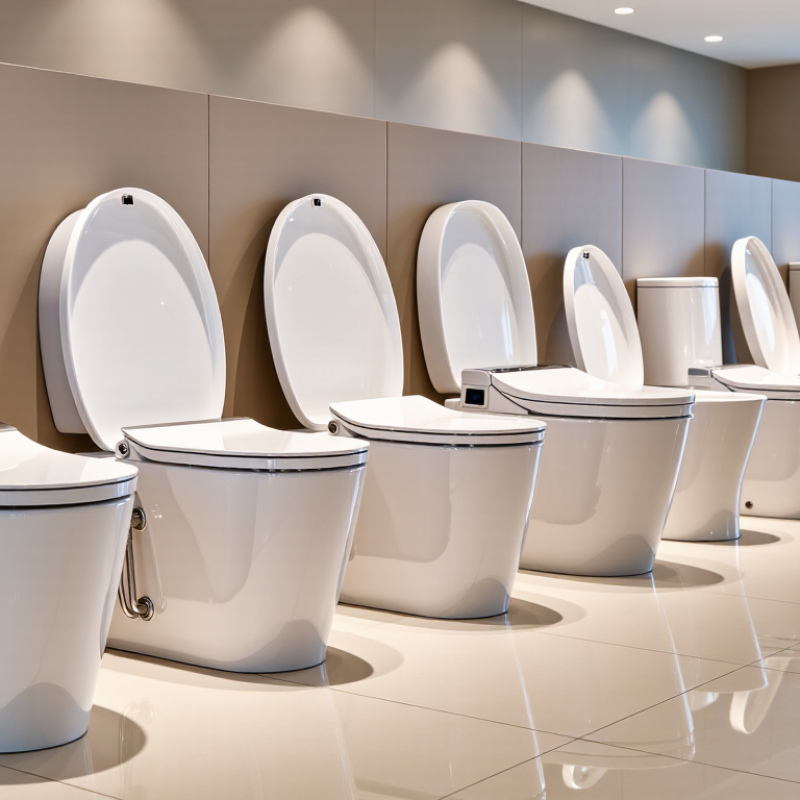
A one-piece bidet toilet combines the bowl and tank into one continuous ceramic structure. Unlike a two-piece model, it has no tank-to-bowl joint. This reduces visible seams, where dust and moisture often collect. The bidet function usually includes a retractable nozzle, adjustable water pressure, temperature control, and a heated seat. Some models also offer warm-air drying and automatic flushing. However, features vary widely. Buyers should read the technical specification, not rely on appearance.
From practical installation experience, a one-piece design feels stable and is easier to wipe clean. Its smooth base also creates fewer hiding places for dirt. Yet, the unit is heavier and may require two people during delivery. Internal repairs can be less convenient because the tank is built into the ceramic body. That detail is easy to overlook. Confirm the outlet position, water pressure range, electrical rating, and plug standard before ordering. Local plumbing and electrical requirements still apply.
Global buyers comparing a China One Piece And Two Piece Toilet should examine the construction, not only the price. A reliable model should provide clear dimensions, tested water connections, durable nozzle materials, and accessible after-sales documentation. Look for hygienic nozzle rinsing and protection against backflow. These details influence daily use more than decorative lighting. One assumption deserves reconsideration: a one-piece toilet is not automatically better for every bathroom. Small spaces, repair access, and shipping conditions may change the decision.
Top 10 One-Piece Bidet Toilet Types for Global Buyers
Design now shapes how buyers compare one-piece bidet toilets. Fortune Business Insights valued the global smart toilet market at about US$4.9 billion in 2023. Its forecast expects strong growth through 2032. Comfort matters, but installation conditions matter more.
The ten main design types include compact round, elongated, skirted, rimless, wall-hugging, tankless, concealed-tank, heated-seat, adjustable-height, and rear-outlet models. Compact round bowls suit narrow bathrooms. Elongated bowls provide more sitting space. Skirted sides reduce visible dirt lines. Rimless channels simplify cleaning. Wall-hugging forms save floor space. Tankless designs offer a cleaner profile, but they need stable water pressure. Concealed tanks look refined, yet repairs can become less convenient. Heated seats improve cold-morning comfort. Adjustable-height models help older users transfer safely. Rear-outlet designs support specific plumbing layouts.
Grand View Research reports that hygiene, water efficiency, and connected controls remain important bidet-market drivers. In practice, sensor lids, warm-air drying, night lights, and deodorizing systems can increase daily convenience. However, more functions also mean more components to maintain. That point is easy to overlook. A showroom display cannot reveal local water quality, socket placement, or service access. I would check these details before selecting a sleek design. A beautiful one-piece toilet can still perform poorly when its plumbing assumptions are wrong.
Bidet toilets vary widely in form and technology. Integrated one-piece models combine the bowl, tank, and bidet system in one streamlined body. They often include heated seats, adjustable water temperature, warm-air drying, and automatic deodorization. Rimless bowls improve flushing visibility and simplify cleaning. Details matter.
Wall-hung types save floor space and make mopping easier. However, their concealed tanks require careful installation and future access planning. Smart models may add motion sensors, night lighting, memory settings, and self-cleaning nozzles. Not every feature improves daily use. A clear control panel can be more valuable than excessive automation.
For OEM One Piece And Two Piece Toilet projects, buyers should compare water pressure requirements, electrical input, drainage layouts, and replacement-part availability. Ceramic quality, seat durability, nozzle materials, and flush performance deserve practical testing. In product evaluations, I recommend checking operation with wet hands and low water pressure. Small weaknesses often appear there. No system is perfect.
Different regions may prefer floor-mounted, skirted, compact, or dual-flush designs. A reliable model should offer manual controls when sensors fail. Safety protection, stable wiring, and testing against applicable local standards also matter. Buyers should request installation drawings, maintenance guidance, and sample inspection records before large orders. Yet specifications can look impressive while everyday cleaning remains difficult. This is where hands-on review becomes essential.
Top 10 One Piece Bidet Toilet Types for Global Buyers
Comparing Water, Power, and Flushing Requirements
Global buyers should compare more than bowl shape and seat functions. Each one-piece bidet toilet combines different water, electrical, and flushing demands. Gravity models usually need a stable tank refill and about 3–6 liters per flush. Pressure-assisted types can clear waste more forcefully, but they may require higher inlet pressure and stricter plumbing checks.
Some advanced models use an electric pump, heated seat, dryer, and deodorizing fan. These features need a grounded power outlet near the toilet. Voltage and frequency must match the destination market. A bathroom without reliable electricity may suit a non-electric bidet seat better. Battery backup sounds useful, but its capacity can disappoint during repeated outages.
Water quality also affects long-term performance. Hard water may leave deposits inside narrow spray nozzles and inlet filters. Buyers should request flow-rate data, flushing tests, and replacement-part details. Wholesale One Piece And Two Piece Toilet sourcing requires careful comparison of carton protection, drain connections, and installation instructions. Measurements can vary by region.
Pressure matters.
A common mistake is judging flushing strength only from showroom demonstrations. Real homes may have weaker supply lines, longer drainage runs, or older pipes. I would test the toilet under local conditions before placing a large order. That step costs time, yet it can reveal noise, splash, slow refill, or unstable spray temperature.
| No. | One-Piece Bidet Toilet Type | Bidet Water Supply | Typical Bidet Flow | Electrical Requirement | Typical Peak Power | Typical Flush System | Typical Flush Volume | Installation Requirement | Best Suited For |
|---|---|---|---|---|---|---|---|---|---|
| 1 | Integrated Electric Smart Toilet | Cold-water connection with internal filtration and electronic controls | 0.4–1.2 L/min | Dedicated grounded outlet; commonly 110–120 V or 220–240 V, depending on market | 800–1,500 W during water heating and seat heating | Electronic flush, usually gravity-assisted or pump-assisted | 3.0–6.0 L per flush | Water shutoff valve, accessible power outlet, and adequate service clearance | Residential bathrooms and premium hospitality projects |
| 2 | Tank-Type Heated Bidet Toilet | Cold-water supply feeding a small internal heating tank | 0.5–1.0 L/min | Grounded electrical outlet matched to the local voltage and frequency | 500–1,000 W, with lower instantaneous demand than most tankless models | Gravity flush with an internal cistern | 3.0/4.5 L or 3.0/6.0 L dual flush | Stable water pressure and continuous electrical protection are required | Homes where steady warm-water performance is preferred |
| 3 | Tankless Instant-Heating Bidet Toilet | Cold-water connection with an instantaneous heater | 0.4–1.0 L/min | Dedicated grounded circuit; local voltage compatibility must be confirmed | 1,000–1,500 W peak, depending on water temperature and flow | Electronic flush, gravity-assisted or pump-assisted | 3.0–6.0 L per flush | Suitable circuit capacity and stable inlet water pressure are important | Frequent-use bathrooms requiring continuous warm-water availability |
| 4 | Non-Electric Mechanical Bidet Toilet | Cold-water supply controlled by a mechanical valve | 0.6–1.5 L/min | No electrical connection | 0 W | Gravity flush with a mechanical flush valve or lever | 3.0/4.5 L, 3.0/6.0 L, or approximately 6.0 L | Standard water inlet and drain connection; no outlet required | Markets with limited power access or buyers seeking simple maintenance |
| 5 | Dual-Flush Gravity Bidet Toilet | Cold-water supply for the bidet nozzle and cistern refill | 0.5–1.2 L/min | No electrical connection | 0 W | Gravity-fed dual flush operated by a mechanical button | Typically 3.0/4.5 L or 3.0/6.0 L | Requires a standard floor drain, water shutoff valve, and adequate tank refill pressure | Water-conscious residential installations |
| 6 | Pressure-Assisted Bidet Toilet | Cold-water connection; bidet function may be mechanical or electrically controlled | 0.5–1.2 L/min | 0 W for mechanical bidet controls; electrical versions require a grounded outlet | 0 W mechanical or approximately 800–1,500 W electric | Pressure-assisted flush using compressed air in a sealed tank | Approximately 3.8–6.0 L per flush | Requires compatible supply pressure and may produce more flushing noise | Commercial facilities and bathrooms needing strong bowl evacuation |
| 7 | Pump-Assisted Bidet Toilet | Cold-water supply connected to an internal pump and bidet valve | 0.4–1.0 L/min | Dedicated grounded outlet; voltage and frequency must match the destination country | 600–1,200 W, including pump and water-heating functions | Electric pump flush, sometimes combined with gravity action | 3.0–5.0 L per flush | Requires power, water connection, drain compatibility, and service access | Low-pressure applications and compact bathroom layouts |
| 8 | Wall-Hung One-Piece Bidet Toilet | Concealed cold-water connection, usually with an in-wall carrier system | 0.4–1.2 L/min | 0 W for mechanical versions; approximately 800–1,500 W for smart versions | 0 W mechanical or up to approximately 1,500 W electric | Concealed cistern, direct flush valve, or electronic flush system | 3.0–6.0 L per flush | Structural wall carrier, concealed plumbing, and service access panel are required | Modern residential, hotel, and space-efficient bathroom projects |
| 9 | Rimless One-Piece Bidet Toilet | Cold-water connection for the bidet system and cistern refill | 0.5–1.2 L/min | 0 W for non-electric models; grounded outlet for electric models | 0 W mechanical or approximately 800–1,300 W electric | Rimless gravity flush designed for easier bowl cleaning | 3.0/4.5 L or 3.0/6.0 L | Drain location and inlet height must match the selected bowl design | Hygiene-focused homes and facilities with frequent cleaning requirements |
| 10 | Compact Low-Profile Bidet Toilet | Cold-water supply, with mechanical or electronic bidet control | 0.4–1.0 L/min | 0 W for non-electric versions; commonly 110–120 V or 220–240 V for smart versions | 0 W mechanical or approximately 700–1,300 W electric | Gravity flush, commonly dual flush | 3.0/4.5 L or 3.0/6.0 L | Confirm rough-in distance, bowl projection, door clearance, and outlet position | Small bathrooms, apartments, and renovation projects |
Regional standards should guide every bidet toilet purchase. Water pressure, drainage layouts, electrical voltage, and certification rules vary widely. A model suitable for one country may fail installation checks elsewhere. European markets often focus on water efficiency and product safety. North American projects may require different drain connections and electrical configurations. Some Asian markets prioritize compact dimensions, heated seats, and stronger spray functions. These differences affect both one-piece and two-piece designs. Buyers should request test reports, installation drawings, and material specifications before approving samples. Experience shows that small connection differences can delay an entire shipment. That risk is easy to underestimate.
Tips: Confirm local certification, inlet size, voltage, frequency, and drainage position. Check whether the wash function requires warm water or an internal heater. For ODM One Piece And Two Piece Toilet projects, provide regional drawings early. Ask suppliers to label replacement parts clearly. A hidden control panel may look elegant, but it can complicate servicing. Accessibility requirements also deserve attention, especially in hotels and public buildings. Measure seat height carefully. Comfort is not universal.
One overlooked issue is after-sales maintenance. Electronic bidet toilets need reliable service access and moisture protection. Non-electric models may suit regions with unstable power supplies. However, they can provide fewer comfort features. Buyers should compare lifecycle costs, not only the purchase price. I would not approve a global specification without local installer feedback. Regional standards change, and product assumptions can age quickly.
For global buyers, a one-piece bidet toilet should be judged by installation realities, not appearance. Measure the rough-in, door clearance, water pressure, and outlet position before ordering. Many units require a grounded electrical circuit and a protected water connection. Local plumbing rules may also require backflow prevention. The detail is easy to miss.
Comfort depends on more than heated seats. Check nozzle adjustment, spray temperature control, drying airflow, night lighting, and user height. A practical test is simple: sit naturally and confirm that controls remain reachable. The U.S. EPA WaterSense Tank-Type Toilet Specification allows up to 1.28 gallons per flush, using at least 20% less water than the common 1.6-gallon standard. Lower consumption matters in hotels and homes with limited water supply. However, flushing performance can vary with pipe layout and waste type.
Hygiene needs measurable features. Look for self-rinsing nozzles, removable filters, smooth internal surfaces, and hands-free flushing. The WHO and UNICEF Joint Monitoring Programme reported in 2023 that 3.5 billion people still lacked safely managed sanitation services. A bidet toilet cannot solve that gap, but dependable cleaning can reduce contact points in properly managed bathrooms. Maintenance is often underestimated. Filters need scheduled replacement, seals may age, and electronic parts can fail in humid rooms. I would not trust vague “self-cleaning” claims without service intervals, spare-part access, and clear cleaning restrictions. One uncomfortable truth remains: advanced functions create more failure points.
Comparative evaluation of installation simplicity, user comfort, hygiene performance, and maintenance ease on a 1–5 scale. Higher scores indicate a more favorable overall characteristic. The assessment reflects typical product design and installation requirements rather than any specific company or brand.
Integrated electronic models generally provide the strongest comfort and hygiene features, while mechanical and non-electric types are usually easier to install, operate, and maintain. Local plumbing standards, electrical requirements, water pressure, and service access should be checked before purchase.
Its bowl and tank form one continuous ceramic body. There is no visible tank-to-bowl joint. This reduces seams where dust and moisture collect.
Common functions include a retractable nozzle, water-pressure control, temperature adjustment, and a heated seat. Some models add warm-air drying or automatic flushing. Features vary.
Usually, yes. Its smooth base creates fewer hiding places for dirt. Fewer seams also make wiping simpler. However, the interior may still require careful maintenance.
The unit is heavier than many two-piece designs. Delivery and positioning may require two people. Built-in tanks can also make internal repairs less convenient. That detail is easy to miss.
Confirm the toilet dimensions, outlet position, water-pressure range, electrical rating, and plug standard. Check local plumbing and electrical requirements. Do not rely on appearance alone.
They can save floor space and simplify mopping. Their concealed tank requires careful installation and future access planning. A hidden component can become difficult to repair.
Hygienic nozzle rinsing, backflow protection, stable wiring, and clear controls matter greatly. Manual controls are useful when sensors fail. Decorative lighting may add less value than dependable flushing.
Request installation drawings, maintenance guidance, and inspection records. Test flushing, nozzle movement, and controls with wet hands. Low water pressure can reveal weaknesses. Specifications can look impressive.
No. Small spaces, repair access, shipping limits, and bathroom layout can change the decision. I would not call it universally better. That assumption deserves reconsideration.
A One Piece Bidet Toilet combines the bowl, tank, and bidet functions into one integrated unit, creating a clean appearance and simplifying bathroom design. This article explores ten types categorized by shape, flushing style, bidet configuration, control method, and installation format. It explains how features such as heated seats, adjustable water temperature, air drying, deodorization, night lighting, self-cleaning nozzles, and user presets can improve comfort and hygiene. Different models may use gravity, siphonic, or pressure-assisted flushing, while their water and electricity requirements vary according to local conditions and household needs.
For global buyers, selecting the right One Piece Bidet Toilet also requires attention to voltage, water pressure, plumbing connections, certification requirements, and regional installation standards. A practical evaluation should consider bathroom space, installation difficulty, accessibility, cleaning convenience, maintenance support, and long-term operating costs. By comparing design, performance, safety, comfort, and serviceability, buyers can choose a suitable bidet toilet type for residential, hospitality, or commercial applications.