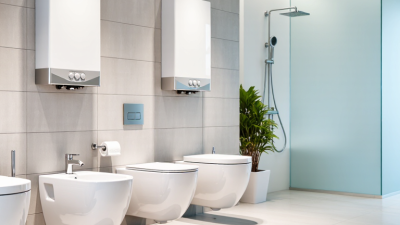
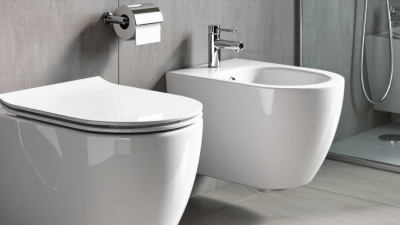
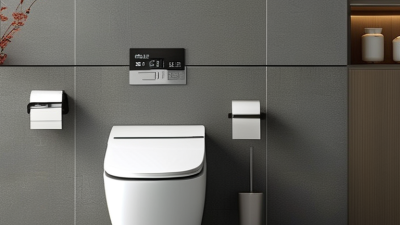
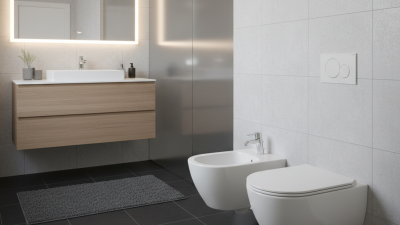
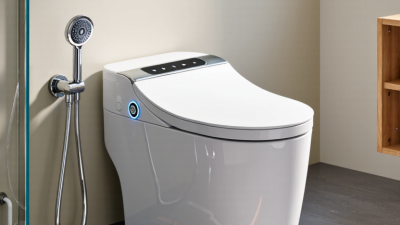
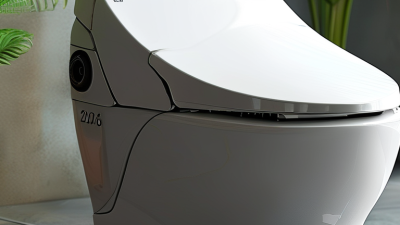
Okay, let's talk wall-mounted bidet toilets. They can definitely make a bathroom feel way more open—that's a big plus. But honestly, looks aren't everything. You need one that actually works with your plumbing, your daily habits, and the space you've got on the wall. Most wall-hung models rely on a concealed carrier, so you really need to verify the wall can handle it and the installation plan is solid. And don't skip measuring the rough-in. Even being off by a little can turn into a huge headache. Trust me, the small stuff matters.
Before you settle on a model, take a close look at things like bowl projection, seat height, how well it flushes, and how the bidet’s water controls feel. If you’re getting one with an electric seat, double-check that an outlet can be installed safely and stays easy to reach. And don’t skip the manufacturer’s specs—water pressure, compatible parts, cleaning instructions all matter. You’ll also want to keep the flush plate or access panel accessible for future repairs. Honestly, if it’s a renovation, it’s worth having a qualified installer check the existing plumbing first. Look, I’ll be honest—this part can feel pretty boring. But it’s one of those things you’ll be glad you did, because it can save you from some seriously expensive headaches down the road.
Honestly, these seven tips should help you figure out whether a toilet is actually comfortable, easy to install, simple to maintain, and built to last. Don't just stare at the product photos either—dig into the warranty details and check if replacement seats are actually available. Sure, a sleek Wall Hung Bidet Toilet can free up visible floor space, but that doesn't automatically make it the best fit for every bathroom. Honestly, I’d think twice before picking something just because it looks good—those hidden hinges or whatever can be a real pain to get to when something breaks. Make sure you actually measure your space and compare it with the real dimensions, and double-check all the details with both the supplier and the installer before you place the order.
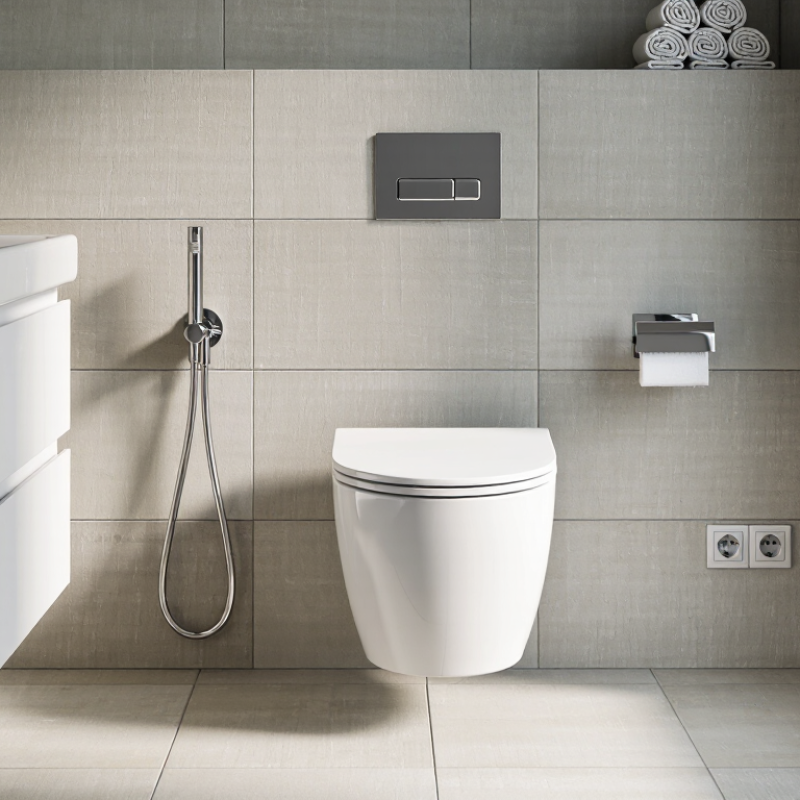
A wall-hung bidet toilet can make a small bathroom feel less crowded, but the visible footprint does not tell the whole story. Measure the room, doorway, and door swing before choosing a model. Check where the existing drain and water supply sit, and compare them with the installation drawing. The toilet’s carrier is concealed inside the wall, so wall depth and access for future repairs matter. Measure twice. A narrow room may still work, but a door that clips the bowl or blocks a user’s approach can make daily use frustrating.
Think about who will use it and how. Note whether children, older adults, or someone with limited mobility needs easy reach to controls and enough space to sit and stand safely. A side-mounted control may be harder to reach than a remote, depending on the user and the layout. Small details matter. If the model needs power for wash or seat functions, plan the outlet location before the wall is closed, with a qualified installer checking the setup. It is tempting to judge comfort from product dimensions alone; that is not quite enough. Mark the proposed bowl position with tape, then test the approach and seated reach. That can change your choice.
Before choosing a wall-hung bidet toilet, inspect what is behind the finished wall. The carrier frame must connect to suitable structural framing, not just drywall. Look for studs, blocking, existing pipes, and the drain route; a tape measure and a small inspection opening can prevent costly surprises. Check the carrier’s installation sheet for stud spacing, wall depth, and its required fixing points. Measure from the planned finished wall, not the bare framing. Tile and backer board change the final position. Easy to miss.
Then verify the rough-in against the exact toilet and carrier drawings. Confirm the waste outlet location and height, water supply position, and finished-seat height before closing the wall. The 2021 International Plumbing Code specifies at least 15 inches from a water closet’s centerline to a side obstruction and 21 inches of clear space in front. These are minimums, not a guarantee of a comfortable layout. For accessible planning, the U.S. Access Board’s ADA Standards specify clear floor space of at least 60 by 56 inches for a wall-hung water closet. Room layouts and local requirements can vary. Measure twice, and have a qualified plumbing professional verify the rough-in on site; drawings do not always reveal an old pipe hidden behind a stud.
A Bidet Toilet Wall Hung model can offer adjustable water temperature, pressure, nozzle position, and warm-air drying. Features vary, so compare what each function actually changes. A gentle wash setting may matter more than several modes you rarely use. Check whether the seat remembers your preferred settings after use. Small detail, big difference.
Tip: Compare the controls, not just the feature list. A remote can be easier to reach beside a wall-mounted toilet, while an attached panel cannot get misplaced. Look for clearly labeled buttons and tactile shapes you can identify without bright lighting. Test the controls if possible. Some remotes feel intuitive in a showroom but confusing at home.
Consider how often you will adjust settings. A simple panel may suit someone who wants basic washing and temperature controls; a remote may help when multiple users prefer different settings. Check the installation guide for electrical and water connections before choosing. Controls should be reachable from a seated position, and essential functions should remain clear during a power interruption. More options are not always better. I would still verify that the settings are easy to change, because product descriptions can make complicated controls sound effortless.
Before choosing a wall-hung bidet toilet, check the water supply, drain location, and electrical access on site. Measure the finished wall to the drain centerline, not just the framing. Confirm the unit’s required water pressure and connection size against your home’s actual supply. A rough sketch can help, but it can also miss a few centimeters.
Tip: Verify water use and drainage before ordering. The U.S. EPA’s WaterSense program sets a 1.28-gallon-per-flush limit for certified toilets, compared with the older 1.6-gallon federal standard. That figure is a useful benchmark, not a guarantee of compatibility. Check the toilet’s own specifications, then confirm the waste outlet and carrier frame align with your plumbing. China Wall Hung Bidet Toilet searches may show many styles, but dimensions and connection requirements still vary.
Tip: Check the electrical plan early. Bidet functions may need a nearby outlet, and the installation manual should specify power needs and protection. Have a qualified electrician confirm the circuit and local requirements before tiling. No outlet nearby? Plan for it now. A small mistake here can mean opening finished walls later. I would recheck the measurements; even careful notes can leave out the finished floor height.
A wall-hung bidet toilet should fit the room and the person using it. Bowl shape affects more than appearance: an elongated bowl may offer extra room, while a compact design can suit a tight bathroom. Check the seat opening, bowl depth, and distance from nearby walls before choosing. A tape measure is useful. So is a second look. The best-looking profile may not feel comfortable after a few minutes.
Material and finish matter during everyday use. Glazed ceramic is common because its smooth surface is generally easier to wipe than a rough one. Still, inspect the glaze closely for uneven spots or hard-to-reach edges. When comparing an OEM Wall Hung Bidet Toilet, ask for clear material and finish specifications rather than relying on product photos alone. Photos can be flattering. They cannot show every detail.
Cleaning needs deserve a practical check. Look for a bowl shape that lets you reach the interior without awkward scrubbing, and confirm which cleaners the manufacturer recommends. Wall-hung installation can leave floor space open, but the mounting area and plumbing still need periodic attention. I would not assume “easy-clean” means no effort. Check how the seat releases, too; a small hinge gap can collect residue. These details are easy to miss when comparing designs side by side.
Suggested evaluation weights for comparing bowl design, materials, and cleaning needs
Use these suggested weights as a decision-making guide, not as survey results or product test data. Check bowl dimensions, glaze and material details, cleaning access, installation requirements, and serviceability against your bathroom and the product specifications.
A wall-hung bidet toilet may save visual space, but installation costs depend on what sits behind the wall. Ask a qualified installer to inspect the carrier frame, drain position, water supply, and nearby electrical outlet before you buy. A tiled wall may need opening or reinforcement. Get itemized estimates for plumbing, electrical work, wall repairs, and installation. Costs vary. A low fixture price can hide expensive prep work.
Compare warranty terms, not just the number of years. Check whether coverage includes the seat, electronic controls, flush components, and replacement parts. Labor may be excluded, even when parts are covered. Ask how claims are handled and whether proof of professional installation is required. Keep the paperwork and model details somewhere you can find them. This is easy to forget.
Service access deserves equal attention. Confirm how a technician can reach the concealed tank and shutoff valve without removing large sections of tile. Ask whether an access panel is required, and where it should go. When purchasing a Wholesale Wall Hung Bidet Toilet, clarify whether the seller provides technical documents and replacement parts; wholesale pricing does not guarantee local service. One thing I would reconsider: choosing the neatest-looking wall layout before checking repair access.
7 Tips for Choosing a Wall Hung Bidet Toilet
Tip 1: Check local plumbing and building codes before choosing a model. Requirements for water connections, drainage, electrical outlets, and clearances can vary by location. Ask your local building department or a qualified plumber to confirm what applies. Tip 2: Verify that the wall framing and carrier system can support the toilet and its expected load. A neat-looking wall is not proof of adequate support. Measure twice.
Tip 3: Consider accessibility in the actual bathroom, not just on a product diagram. Check the required clear floor space, approach path, and transfer area against local accessibility rules. Tip 4: Compare seat height with the needs of intended users, including anyone who has difficulty bending or standing. A few centimeters can matter. Tip 5: Make sure bidet controls are easy to reach and understand from a seated position. Small buttons may be difficult for some users to operate.
Tip 6: Confirm that grab bars can be installed where needed, without interfering with the toilet, carrier, or plumbing. Tip 7: Ask a licensed installer to review the plan before the wall is closed. This can catch conflicts early, though even careful planning sometimes misses a detail. Keep access for maintenance in mind, and check that the finished layout still allows a comfortable, unobstructed approach.
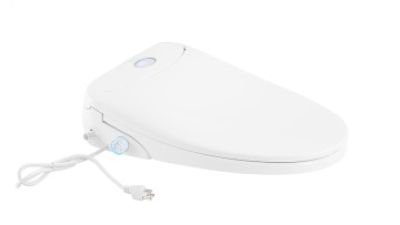
A heated bidet seat can bring greater comfort and everyday convenience to your bathroom without requiring you to replace your entire toilet. Designed to fit most standard V-shaped and U-shaped toilets, this smart upgrade makes use of your existing setup while helping save both space and replacement costs. Its heated seat and bidet functions offer a more comfortable personal-care experience at home.
The seat comes with a remote control and a side panel, giving you convenient options for operation in different bathroom layouts. The controls are designed to be straightforward, making the unit easy to use as part of your daily routine. OEM and ODM projects, as well as trade and wholesale inquiries, are welcome. Contact us for product details or other information, and we’ll respond promptly to your questions and requests.
Measure the finished wall to the drain centerline. Check water pressure, connection size, and drain position. A rough sketch helps, but it may miss a few centimeters.
Compare the toilet’s specifications with your water supply and waste outlet. Check that the carrier frame aligns with the drain. Measure twice.
Treat published flush figures as a benchmark, not proof of compatibility. Confirm the model’s own requirements and your drainage setup.
Check the installation manual early for power needs and outlet placement. Ask a qualified electrician to review the circuit before tiling. Plan it early.
Confirm that the framing and carrier system can support the expected load. A smooth, finished wall does not prove the structure is adequate.
Check the clear floor space, approach path, and transfer area in the actual bathroom. Compare seat height with users’ needs. A few centimeters can matter.
Check that controls are easy to reach and understand from a seated position. Small buttons may be difficult for some users.
Ask a licensed installer to check plumbing, electrical access, support, clearances, and grab-bar placement. Keep maintenance access in mind. I would recheck the finished floor height, too; careful notes can still miss it.
Choosing a Bidet Toilet Wall Hung model starts with understanding your bathroom and the people who will use it. Measure the available space, consider user comfort and accessibility, and confirm that the wall can support the installation. Check the toilet rough-in dimensions, water supply, drainage, and electrical access before comparing models. These practical checks can help you avoid choosing a unit that does not fit your bathroom or its existing connections.
Next, compare bidet functions and control options, then consider the bowl’s shape, materials, and ease of cleaning. Include installation costs, warranty coverage, and whether key components will remain accessible for future maintenance. Finally, verify that the model meets applicable local plumbing and accessibility requirements. A careful comparison of fit, features, upkeep, and service needs can help you choose a wall-hung bidet toilet that suits your household and supports a smoother installation.