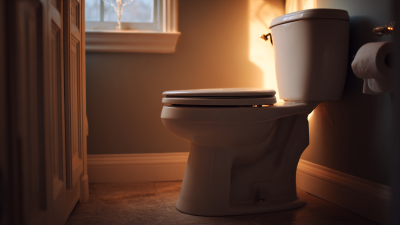
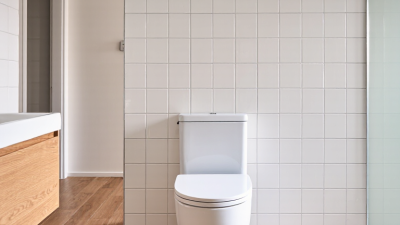
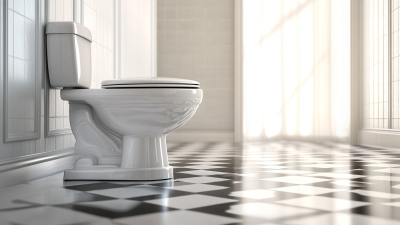
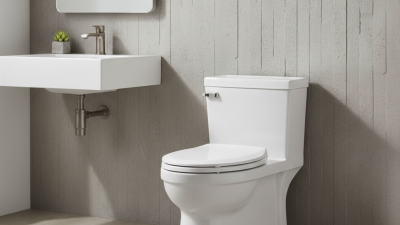
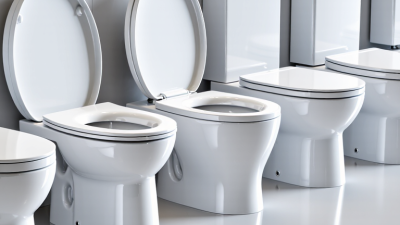
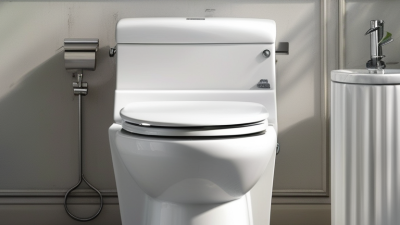
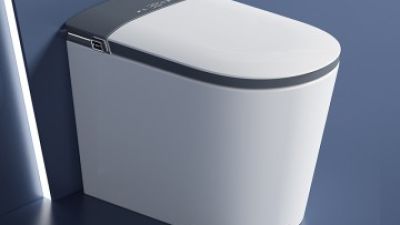
Picking the best One Piece Seat Toilet? It’s not just about glossy finishes and whatever “flush power” the ads are bragging about. A smart choice starts with your bathroom. Measure the rough-in distance, doorway clearance, bowl projection, and seat height you can actually live with. Get one of those wrong, and installation gets annoying fast—or you end up with awkward gaps around the fixture.
Richard Trethewey, founder of RST Inc. and a plumbing expert many people know from This Old House, once said, “A toilet is only as good as the installation behind it.” That’s about right. Even a really efficient model can act up if the flange is wrong, the water supply is weak, or the floor isn’t level. So look for a glazed trapway, an easy-to-reach shutoff valve, durable hinges, and a flush system that’s been tested for real waste removal. And no, don’t judge performance by water volume alone.
Comfort matters too. A compact round bowl can be perfect for a narrow guest bathroom. An elongated bowl often gives better support for everyday use. Seat height should match the people using it, not just the showroom display. Soft-close seats keep things quieter, but those hinges still need to be easy to clean around.
The One Piece And Two Piece Toilet comparison is worth thinking through as well. One-piece designs usually have fewer exposed joints and a simpler surface to wipe down. Two-piece models can be easier to handle and often have more repair options. Still, neither one is automatically better.
The details decide it.
This guide looks at water efficiency, installation limits, cleaning effort, user comfort, and long-term value. It also pushes back on one common assumption: the most expensive toilet isn’t always the best fit.
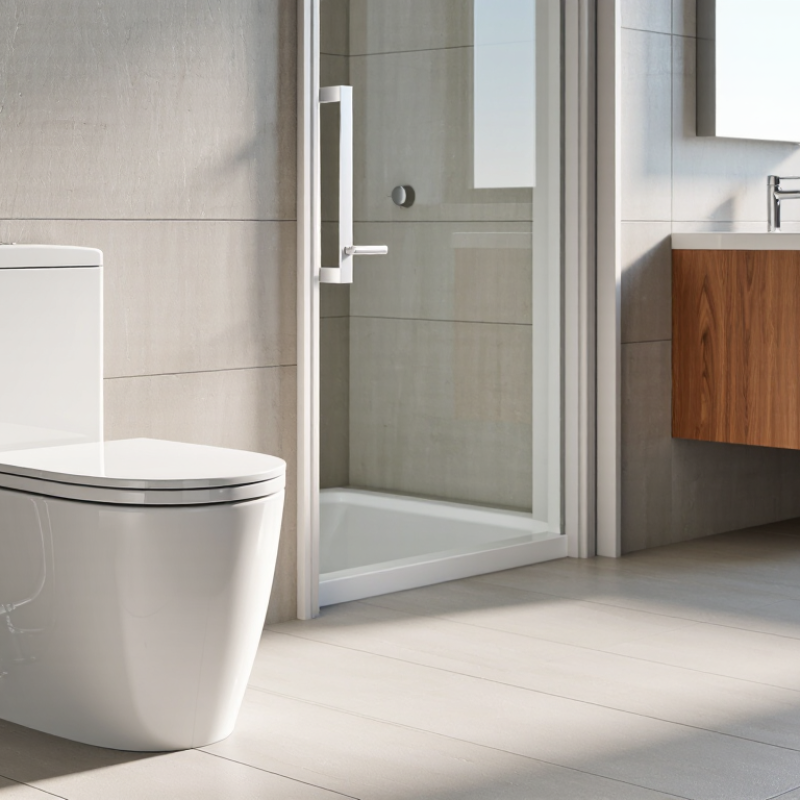
A one-piece toilet combines the tank and bowl into one continuous ceramic body. This design has fewer joints, so dust and moisture have fewer places to collect. Its smooth base also makes floor cleaning easier. However, it is heavier than a two-piece model and may require two people during installation. For buyers comparing a China One Piece And Two Piece Toilet, bathroom space and installation access matter as much as appearance.
Seat selection affects daily comfort. A standard plastic seat is affordable and simple to replace. A soft-close seat lowers gently and reduces nighttime noise. Quick-release hinges help remove the seat for deeper cleaning. Some seats offer extra height, which can support users with limited mobility. Check the bowl shape before buying, because round and elongated seats are not interchangeable. I once assumed a universal seat would fit every bowl. It did not.
Performance terms deserve careful attention. Rough-in means the distance from the finished wall to the waste outlet center. Measure it before ordering. Gallons per flush, or GPF, indicates water use per flush. A lower figure can save water, but it should still provide reliable waste removal. Trapway size influences clog resistance, while a tested flush-performance score offers useful evidence. Look for a glazed trapway and clear installation instructions. One detail is often overlooked: a powerful flush can still feel noisy. A quiet bathroom may need a different priority.
Flush power deserves more than a glossy product photo. The MaP Performance Testing program measures how many grams of standardized test media a toilet removes in one flush. Ratings commonly range from 250 to 1,000 grams. A 250-gram model may suit a lightly used bathroom. For busy family bathrooms, I would look closer to 600 grams or higher. The EPA WaterSense Specification Version 2.0 requires qualifying tank-type toilets to remove at least 350 grams while meeting water-efficiency limits. That benchmark offers a useful safety line, not a guarantee of perfect performance.
A strong MaP score can reduce double flushing, but it is not the whole decision. Bowl shape, trapway design, water spot size, and installation quality also affect daily results. A 1,000-gram score sounds decisive. Still, laboratory media is not household waste. That limitation deserves honest consideration. When comparing an OEM One Piece And Two Piece Toilet , check the exact MaP report, flush volume, and certification details. Avoid relying only on “powerful flush” wording.
Tips: Choose at least 350 grams for regular household use, and consider 600–1,000 grams for heavier demand. Test the flush button in a showroom if possible. Confirm the supply line, rough-in distance, and seat height before ordering. Small installation errors can weaken a good toilet’s real-world performance. (Sources: MaP Testing Performance Reports; U.S. EPA WaterSense Specification Version 2.0.)
Choosing the best one-piece seat toilet starts with water use, not appearance. A standard toilet uses 1.6 gallons per flush (GPF), while a WaterSense-certified model uses 1.28 GPF or less. The U.S. EPA WaterSense program identifies this as a 20% reduction compared with standard models. With five flushes daily, one user could save about 584 gallons yearly. A four-person household could save approximately 2,336 gallons. The calculation is simple, but real usage varies.
Flush strength still matters. EPA specifications address efficiency, while independent MaP testing measures waste-removal performance in grams. Check the published MaP score before choosing a compact bowl. A weak flush may cause repeat flushing, reducing the expected savings. That detail is easy to overlook. Seat height, bowl shape, and cleaning access also affect daily comfort. A one-piece design usually has fewer seams, yet its heavier body can make installation less convenient. For shoppers comparing Wholesale One Piece And Two Piece Toilet options, water data should sit beside installation and maintenance details.
Tips: Compare annual water use using your household’s actual flush count. Look for the WaterSense label and an independent performance result. Ask whether replacement parts are widely available. Do not assume 1.28 GPF automatically means better performance; pressure, trapway design, and plumbing conditions can change the experience. EPA consumer guidance supports efficient toilets, but household savings depend on behavior, local water rates, and existing bathroom fixtures.
A one piece toilet looks neat, but appearance should not lead the decision. Start with the bowl shape. An elongated bowl usually gives more thigh support and feels less cramped. A round bowl may suit a small bathroom better. Measure the clearance before choosing. Door swings can cause trouble.
Seat height deserves closer attention. ADA guidance commonly places the top of the seat between 17 and 19 inches from the finished floor. This range can make sitting and standing easier for many adults. It is especially useful for users with limited knee or hip movement. Measure from the floor to the seat top, not only to the ceramic rim. Seat thickness can change the final height.
Check local requirements too. ADA rules mainly apply to covered public and commercial facilities, while home installations may follow different standards. A qualified installer can confirm the measurement and floor conditions.
In practice, a taller seat is not always better. Shorter users may find their feet hang slightly above the floor. That can reduce stability. I once focused too heavily on the 19-inch target and overlooked foot placement. That was a useful mistake.
Sit-test the toilet when possible. Check whether your feet rest flat, your knees feel comfortable, and the bowl supports your posture. Also inspect the hinge area and cleaning access. A smooth one-piece design can still collect residue around hidden edges.
Choosing the best one-piece seat toilet starts with measurements, not appearance. Measure from the finished wall to the center of the floor outlet. Do not measure from the unfinished wall. A 12-inch rough-in is common, but some bathrooms require 10 or 14 inches. Baseboard thickness can also change the fit. Leave clearance for the seat, supply line, and cleaning access.
Trapway design deserves close inspection. A fully glazed, smoothly curved trapway usually offers fewer places for waste to catch. Larger passageways may reduce clogging, but size alone does not prove better flushing. Check the tested flush performance and water spot behavior. A narrow, sharp turn can look acceptable in a showroom. It may behave differently after months of use. I would also inspect the bowl outlet and mounting area for uneven ceramic.
ASME A112.19.2 compliance provides a useful quality reference for ceramic plumbing fixtures. Confirm that the product documentation identifies the applicable edition and testing basis. This standard addresses construction, dimensions, materials, and performance requirements. It does not guarantee that every toilet fits every bathroom. When comparing an ODM One Piece And Two Piece Toilet, request dimensional drawings, rough-in data, seat height, and maintenance instructions. Keep those documents. Small details are easy to forget. A cautious buyer should also verify local plumbing requirements and check whether the supply connection is accessible after installation.
Measure from the finished wall to the center of the closet bolts before selecting a toilet. Common nominal rough-in dimensions are 10, 12, and 14 inches; the 12-inch configuration is widely used, while 10- and 14-inch models require matching bathroom layouts.
Also compare the trapway design. A smooth, fully glazed trapway can reduce friction and help waste flow, while a concealed trapway is easier to clean externally. Rough-in size alone does not prove flushing performance or code compliance.
For compliance, verify that the product is marked or certified to ASME A112.19.2 and confirm the installation requirements in the manufacturer’s documentation.
How to Choose the Best One Piece Seat Toilet?
Cleaning should begin with the bowl’s shape, glaze, and trapway design. A fully glazed surface gives waste fewer places to cling. Fewer joints also mean fewer hidden dust lines. Still, glossy porcelain is not self-cleaning. I would inspect the rim underside with a flashlight before buying.
Durability depends on material, flushing performance, and installation quality. The ASME A112.19.2/CSA B45.1 standard covers key ceramic toilet requirements, but certification does not prevent careless fitting. One-piece models are heavier, so check floor strength, flange condition, and the rough-in measurement. Fit matters. A small alignment error can cause rocking, leaks, or cracked seals. The EPA WaterSense Tank-Type Toilets Specification limits labeled models to 1.28 gallons per flush, compared with older 1.6-gallon designs. The EPA’s 2023 WaterSense Accomplishments Report records more than 7 trillion gallons saved across labeled products, showing why efficient flushing affects long-term ownership.
Installation and warranty deserve equal attention. Ask whether delivery, removal, floor repair, and professional labor are included. A warranty covering the ceramic body may exclude seats, valves, seals, or labor. That difference can be expensive. Look beyond price. Calculate the toilet, accessories, installation, expected repairs, and water use together. The EPA WaterSense residential toilet fact sheet estimates that replacing an older, inefficient toilet can save a household thousands of gallons annually. However, water savings vary by household habits and local rates. My earlier mistake was treating a longer warranty as proof of better quality. It is only one piece of evidence.
| Evaluation Category | Recommended Specification | Why It Matters | Practical Check | Suggested Weight |
|---|---|---|---|---|
| Cleaning Performance | Fully glazed ceramic surface, concealed or skirted trapway, rim design that allows access for cleaning, and a washdown or siphonic flush with a certified water-use rating. | Smooth glazed surfaces resist staining, while fewer exterior grooves reduce dust and buildup. Flush design affects bowl cleanliness and clog resistance. | Inspect the underside of the rim, trapway shape, jet openings, and whether replacement parts can be removed without special tools. | 25% |
| Flush Efficiency | A certified flush volume of approximately 1.28 gallons per flush or lower, with a clearly stated maximum performance rating and readily available flush-valve parts. | Lower water use can reduce long-term utility costs, but poor hydraulic performance may cause double flushing and reduce the expected savings. | Check independent performance testing, flush-volume labeling, refill noise, and the availability of compatible fill and flush valves. | 15% |
| Durability | Vitreous china construction, a stable integrated base, corrosion-resistant hinges, and a seat rated for normal residential use. | One-piece construction eliminates the tank-to-bowl gasket joint, but the ceramic remains vulnerable to impact and improper tightening. | Look for even glazing, no visible pinholes or cracks, firm seat mounts, and documented replacement procedures for hinges and internal valves. | 20% |
| Installation Requirements | Standard floor outlet compatibility, common 12-inch rough-in support, accessible water connection, clear installation instructions, and included mounting hardware. | A one-piece toilet is heavier than a two-piece model, so access, lifting space, floor condition, and alignment are important. | Measure the rough-in from the finished wall to the center of the floor bolts, verify total depth and height, and confirm the floor is level. | 15% |
| Seat Comfort | Seat height of approximately 16 to 17 inches for general adult use, with a slow-close, easily removable seat and a suitable bowl shape. | Comfort depends on height, bowl length, seat contour, and user mobility. A taller seat may be easier for many adults but less suitable for small children. | Compare finished seat height, bowl projection, seat opening dimensions, hinge access, and the seat’s weight rating. | 10% |
| Warranty and Support | A written ceramic warranty of at least one year, clearly defined coverage for internal components and seat hardware, and accessible replacement parts. | Warranty length alone is not enough. Exclusions for installation errors, commercial use, finish damage, and unavailable parts can limit practical protection. | Read the full warranty, confirm the claim process, check support contact details, and verify how long valves, seats, hinges, and seals remain available. | 10% |
| Initial Purchase Cost | Typical residential one-piece toilets generally fall within an approximate mid-range price of $250 to $800, excluding installation and local taxes. | A lower purchase price may come with a basic seat, less accessible parts, or fewer installation accessories. | Compare the complete package: toilet, seat, supply line, mounting hardware, wax or gasket seal, delivery, and disposal of the old unit. | 5% |
| Estimated Installation Cost | Budget approximately $150 to $400 for a straightforward professional replacement; additional plumbing or floor repairs may increase the total. | The heavier one-piece design can require two people to position safely. An unsuitable rough-in or damaged flange can create unexpected labor costs. | Request a written quote that states whether removal, disposal, new seals, supply-line replacement, floor leveling, and leak testing are included. | 5% |
| Five-Year Total Cost | Evaluate purchase price, installation, water use, routine parts, cleaning supplies, and possible seat or valve replacement over five years. | The cheapest unit may cost more if it needs frequent repairs, uses more water, or requires hard-to-find proprietary parts. | Use: purchase price + installation + estimated water cost + maintenance parts − any documented rebates or savings. | 5% |
The NKBA 2024 bathroom design insights point to a clear shift toward wellness, convenience, and technology that supports everyday living. Meanwhile, the Houzz 2024 U.S. Bathroom Trends Study, based on feedback from 1,337 homeowners, highlights the continuing demand for upgraded fixtures and more functional, comfortable spaces. The OL-680 Smart Toilet responds to these priorities with an integrated design that saves visual space while creating a cleaner, more refined bathroom environment.
Touchless operation is central to its modern appeal: an auto-sensing lid and automatic flushing help reduce unnecessary contact and simplify daily routines. Antibacterial technology, effective sterilization, and odor-sealing functions further support professional-level hygiene at home, while the streamlined silhouette complements contemporary interiors. By combining comfort, health protection, and intelligent automation, the OL-680 Smart Toilet is well suited to renovation projects focused on long-term usability and elevated bathroom experiences. OEM/ODM, trade, and wholesale cooperation are available. For inquiries or more information, please contact us for prompt and detailed assistance.
An elongated bowl usually provides more thigh support and feels less cramped. A round bowl may fit a smaller bathroom. Measure the available clearance carefully. Door swings can create problems.
A seat height between 17 and 19 inches often helps adults sit and stand more easily. Measure from the finished floor to the seat top. Seat thickness affects the final height. Measure twice.
No. Shorter users may struggle to keep both feet flat. Poor foot placement can reduce stability. Sit-test the toilet when possible. I once focused too much on the target height and missed this detail.
ADA guidance mainly covers certain public and commercial facilities. Home requirements may differ by location. Check local plumbing rules before installation. A qualified installer can confirm the details.
Measure from the finished wall to the floor outlet center. A 12-inch rough-in is common, but 10- and 14-inch layouts also exist. Include baseboards, the supply line, seat clearance, and cleaning space.
A fully glazed, smoothly curved trapway usually has fewer surfaces for waste to catch. A larger passage may help reduce clogs. However, size alone does not prove better flushing. Test results matter.
Check the bowl outlet, mounting area, hinge space, and hidden cleaning edges. Look for uneven ceramic or residue-catching gaps. A smooth exterior can still hide awkward corners. Inspect closely.
Request dimensional drawings, rough-in data, seat height, flush testing, and maintenance instructions. Confirm the applicable plumbing fixture standard and testing basis. Keep the documents after purchase. Small measurements are easy to forget.
Choosing the best One Piece Seat Toilet requires more than comparing appearance or price. Begin by understanding the one-piece design, seat options, and key performance terms. Flush strength can be evaluated through MaP ratings, with suitable models typically ranging from 250 to 1,000 grams. Water efficiency is also important: standard toilets commonly use 1.6 gallons per flush, while WaterSense models use about 1.28 gallons while maintaining effective performance.
Next, consider bowl shape, seat height, and user comfort, including the ADA-recommended range of approximately 17–19 inches where accessibility is needed. Confirm the rough-in measurement, inspect the trapway design, and check compliance with ASME A112.19.2 requirements. Finally, compare ease of cleaning, material durability, installation difficulty, warranty coverage, replacement-part availability, and long-term operating costs. A well-chosen toilet should balance reliable flushing, efficient water use, comfortable access, simple maintenance, and overall value rather than focusing on one feature alone.