Leave Your Message
0%

When you're thinking about picking out a smart toilet in 2026, it’s definitely more than just comparing fancy touchscreens, heated seats, or those eye-catching deals. A smart choice actually starts with a good look at your bathroom setup—think plumbing, electrical needs, and how you typically use your toilet day to day. For example, it’s a good idea to measure that rough-in distance behind your toilet. Also, check your water pressure—if that’s all over the place, it could cause some headaches. And don’t forget, make sure a qualified electrician can safely install a dedicated outlet—these little things really matter.

As David Kohler, the guy at Kohler Co., once said, 'Technology should make hygiene and comfort easier, not turn your bathroom into a hassle.' That’s a good rule of thumb, especially with all the flashy advertising that’s often louder than what’s actually practical. The perfect smart toilet should give you a steady flush, reliable bidet temperature, adjustable water pressure, and easy-to-use controls. Plus, it should still work manually in case of a power outage—no fancy feature should leave you stranded. And honestly, don’t overlook small details—like a confusing remote control; that can really ruin an expensive bathroom upgrade.

Also, pay attention to the quality of the ceramic, whether filters can be swapped out easily, and if there are accessible parts for maintenance. A clear warranty doesn’t hurt either. Instead of just getting wowed by app features, compare how well each model cleans—because that’s what really counts. Some toilets come with extras like automatic lids, night lights, deodorizing, heated seats, and even profiles for multiple users. Just keep in mind, more gadgets sometimes mean more stuff that can break. So take a moment—do you actually need every single feature?

Oh, and that question—‘Do you still need toilet paper with a smart toilet?’—is worth a bit of a reality check. Sure, bidet functions can cut down on TP use, but many folks still like to use a little paper afterward for drying or personal comfort. Everyone’s habits are different.

In the end, a good smart toilet is one that balances hygiene, easy maintenance, accessibility, energy efficiency, and support from the manufacturer. Checking out reviews from people who’ve actually used the models can help spot issues like noisy pumps, slow sensors, or tricky-to-clean spots. No toilet is perfect. The best one for you is the one your whole household feels comfortable with, cleans easily, and can be repaired without a headache.
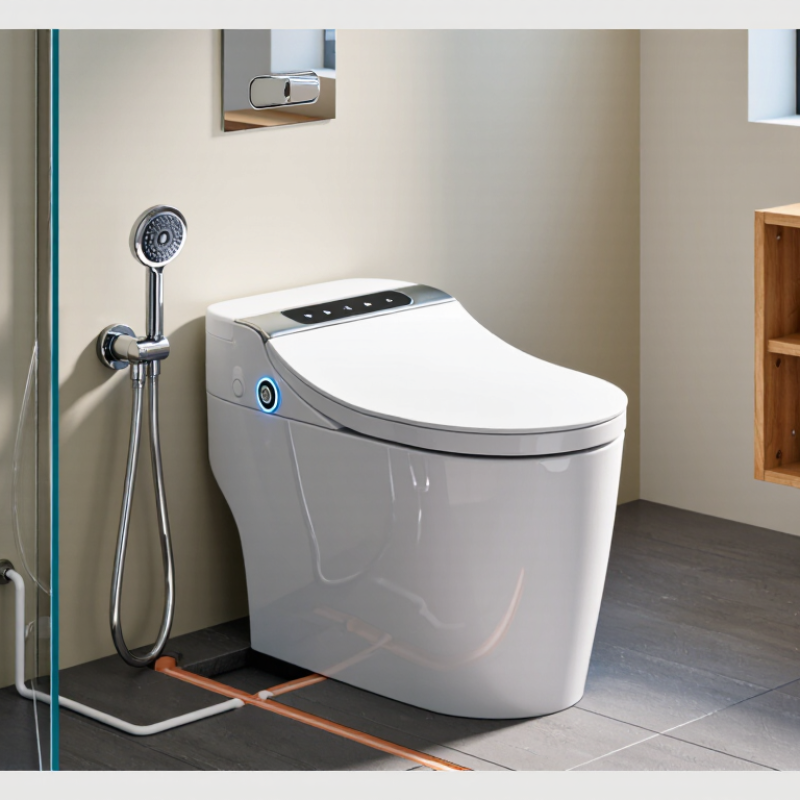
How to Choose a Smart Toilet in 2026?

Define What a Smart Toilet Does and Who Needs One

How to Choose a Smart Toilet in 2026?

A smart toilet combines ordinary flushing with electronic hygiene and comfort features. Common functions include a heated seat, bidet washing, warm-air drying, automatic flushing, deodorization, and night lighting. Some models also offer user presets and water-temperature controls. These features can reduce reaching, twisting, and repeated cleaning. However, a smart toilet is not a medical device. It cannot replace professional care or solve poor bathroom design.

The strongest case is practical, not fashionable. Older adults may value hands-free flushing and stable side access. People with limited mobility can benefit from adjustable washing and drying. Caregivers may appreciate fewer transfer movements and simpler cleaning.

AARP’s Home and Community Preferences Survey found that 77% of adults aged 50 and older want to remain in their current homes. That makes bathroom independence increasingly important.

Meanwhile, the WHO and UNICEF Joint Monitoring Programme reported that 3.5 billion people lacked safely managed sanitation in 2022. Smart features do not address that global gap, but they can improve hygiene where reliable plumbing already exists. Grand View Research’s 2024 market analysis also indicates continued double-digit growth in smart toilet demand. Growth does not prove necessity.

Tips: Check outlet location, water pressure, seat height, service access, and manual controls before buying. Test the remote with wet hands if possible. Some touchscreens look impressive but feel awkward at night. Renters or budget-focused households may need only a bidet seat. I would not pay for every sensor. A simpler model may be easier to maintain.

Set Your Budget and Identify Essential Features

Set a realistic budget before comparing features. Include the Smart Toilet Seat, professional installation, an electrical outlet, filters, and future maintenance. A lower-priced model may become expensive if your bathroom needs rewiring. Request three written quotes. Ask whether they cover waterproof connections, removal, and testing.

Choose features that solve daily problems. Heated seating feels useful on cold mornings, but adjustable temperature matters more than maximum heat. A night light improves visibility without switching on bright ceiling lights. Bidet pressure, nozzle position, warm-water control, and easy cleaning deserve careful checks. The U.S. Environmental Protection Agency’s WaterSense specification limits labeled toilets to 1.28 gallons per flush, at least 20% below the federal 1.6-gallon standard. Water efficiency should remain part of your budget decision.

Energy use also deserves attention. The U.S. Department of Energy reports that water heating represents about 18% of household energy consumption. Heated water and seats can add operating costs, especially with frequent use. Check standby-power information and the availability of replacement filters. I would not trust vague claims such as “low energy.” Ask for measured figures. A mistake I once made was valuing remote-control functions over cleaning access. The remote looked impressive. The awkward filter replacement did not. Choose controls you can use with wet hands, and confirm local electrical requirements before installation.

Compare Flushing, Cleaning, Heating, and Odor-Control Systems

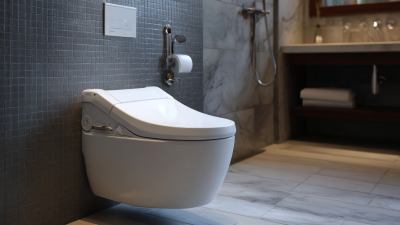
Choosing a smart toilet starts with the systems you will use every day. In a showroom, a quiet flush can sound impressive. At home, pipe size, water pressure, and waste outlet matter. During a renovation, I tested a Wall Hung Smart Toilet with several flush settings. One setting saved water, but it needed a second cycle after heavy use. That was inconvenient. Look for adjustable flush volume, broad rim coverage, and a manual override. Ask for measured flow data, not vague performance claims.

Cleaning features deserve close inspection. A nozzle should rinse before and after use, while a smooth ceramic surface reduces residue around the bowl. Check whether the nozzle position, spray pressure, and water temperature are adjustable. Automatic descaling can help in hard-water areas, but it does not replace regular cleaning. I once assumed a self-cleaning cycle would remove every mark. It did not. Easy access matters more than impressive menus. Seat heating should offer several levels, with a gradual warm-up instead of sudden heat. Test the lowest setting if possible.

Odor control works best when air is captured near the bowl, rather than circulated around the bathroom. Activated-carbon filters can reduce smells, but they require replacement and lose effectiveness when neglected. Check filter cost, access, and expected service life. A quiet fan is useful at night, though noise ratings may vary by testing method. Also examine power-failure operation, water protection, and service documentation. A polished control panel cannot compensate for unclear maintenance instructions.

Check Installation Requirements and Bathroom Compatibility

How to Choose a Smart Toilet in 2026?

Check your bathroom before choosing a smart toilet. Measure the rough-in distance from the wall to the drain center. Then check the bowl’s length, width, and required side clearance. A compact room may feel cramped after installation. I have learned that measurements on paper can still miss door swings and cabinet edges.

Confirm your water supply, shutoff valve, and household water pressure. The toilet also needs a nearby grounded electrical outlet with suitable moisture protection. An electrician should verify the circuit, especially in older bathrooms. Check floor levelness, drainage access, and the location of the control panel. The installation manual remains the most reliable reference.

Tips: Mark the toilet’s footprint with masking tape before buying. Sit within that outline if possible. Check whether the lid opens beneath a shelf. Leave enough space for cleaning and maintenance. Do not hide the power cord behind moving fixtures. If plumbing or wiring seems uncertain, ask a qualified professional to inspect it. A rushed installation may cause leaks, unstable seating, or difficult repairs. Small details matter.

Evaluate Hygiene, Safety, Energy Use, and Water Efficiency

Choosing a smart toilet in 2026 requires more than checking its appearance. Hygiene, safety, energy use, and water efficiency should guide the decision. An Electric Toilet Smart model may offer bidet washing, warm air drying, automatic flushing, and odor control. Look for adjustable water pressure, temperature control, and a nozzle that rinses itself after every use. These details matter when several people share one bathroom. A heated seat feels comfortable on cold mornings, but comfort should not replace practical performance.

Tips: Ask for tested cleaning and electrical safety information. Check whether the seat, nozzle, and filters are easy to remove. A sealed control panel can reduce moisture damage. Choose protection suited to your local electrical requirements. Keep the remote simple. Too many buttons create mistakes. I once found that a strong spray was uncomfortable, even at a normal setting. Personal adjustment is essential.

Water efficiency deserves careful attention. Compare full-flush and reduced-flush volumes, not just marketing labels. A dual-flush system can save water in busy households. Select a bowl with an effective rinse, because weak flushing may require a second cycle. Energy use also depends on standby power, seat heating, water heating, and drying. A timer or eco mode can limit overnight consumption. Insulated tanks may retain heat longer. Still, real usage varies. A device that looks efficient on paper may consume more during frequent winter use. Convenience can hide consumption.

Review Controls, Maintenance, Warranty, and Long-Term Value

How to Choose a Smart Toilet in 2026?

A Smart Toilet Bowl should offer controls that feel clear at midnight. Test the remote, side panel, and mobile settings before buying. Large buttons help when your hands are wet. Adjustable water pressure, temperature, and spray position improve daily comfort. Check whether settings save separate user profiles. Some screens look impressive but become confusing after several taps. I have found simple controls easier for older family members.

Maintenance deserves equal attention. Ask how the nozzle cleans itself and how often filters need replacement. A removable filter can save time under a small bathroom sink. Look for accessible parts, clear error codes, and a manual with actual diagrams. Hard-water areas may require regular descaling. Do not assume automatic cleaning removes every task. It does not.

Warranty details reveal long-term value. Confirm coverage for the seat, heating system, sensors, and electronic controls. Check labor costs, shipping rules, and authorized repair options. A two-year warranty may sound adequate, yet replacement parts could remain unavailable later. Ask how long essential components will be stocked. Keep invoices and installation records in a dry folder. I once ignored this detail, and finding proof months later was unnecessarily difficult. Noise, electricity use, and expected service life also affect ownership costs. A lower purchase price can become expensive after repeated repairs.

Smart Toilet Market Insights: 767’s Wide, Comfortable Seat and Modern Design Trends (Grand View Research, 2024)

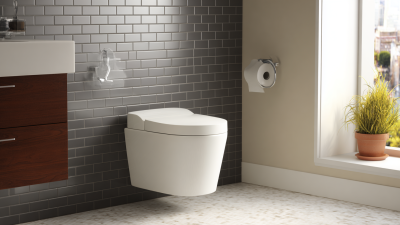
Smart bathroom design is increasingly focused on comfort, space efficiency, and a clean contemporary appearance. The 767 Smart Toilet reflects these trends with a sleek, tankless structure that helps maximize available bathroom space while creating a streamlined visual effect. Its modern form can complement a range of interior styles, from minimalist apartments to larger residential and hospitality projects.

A key feature is the wide square seat, which offers additional room and may provide a more comfortable seating experience for larger users. Available with 300 mm or 400 mm S-trap rough-in options, the toilet supports flexible installation across different bathroom layouts and renovation requirements. Its combination of practical sizing, adaptable plumbing options, and refined design makes it suitable for property developers, retailers, contractors, and hospitality suppliers. OEM/ODM cooperation, trade orders, and wholesale inquiries are welcomed, with product information and project support available upon request.

FAQS

How much should I budget for a smart toilet?

Include the toilet, installation, electrical work, filters, and future maintenance. A lower price can mislead. Request three written quotes covering waterproof connections, removal, and testing.

Which features matter most for daily comfort?

Adjustable seat temperature, water pressure, spray position, and warm-water control matter greatly. A night light helps during midnight visits. Maximum heat is not always useful.

How can I estimate water and electricity costs?

Check the flushing rate and standby-power figures before buying. Efficient flushing can reduce water use. Heated seats and water may increase electricity costs.

What bathroom measurements should I check?

Measure the wall-to-drain distance, bowl size, side clearance, and door swing. Mark the footprint with masking tape. Then sit inside the outline.

What electrical and plumbing requirements are important?

Confirm the water pressure, shutoff valve, drainage, and nearby grounded outlet. Older bathrooms may need circuit inspection. Keep electrical connections protected from moisture.

Which controls are easiest to use?

Choose large buttons, clear labels, and controls usable with wet hands. Test the remote and side panel before purchasing. Simple controls often work better.

What maintenance questions should I ask?

Ask about nozzle cleaning, filter replacement, descaling, and error codes. A removable filter helps under a small sink. Automatic cleaning does not remove every task.

How should I compare warranties and long-term value?

Confirm coverage for heating, sensors, controls, parts, labor, and shipping. Ask how long replacement components remain available. Keep invoices in a dry folder. I once forgot this.

Conclusion

Choosing a Smart Toilet in 2026 starts with understanding how it can improve daily comfort, hygiene, and bathroom convenience. Consider who will use it and which functions truly matter, then set a realistic budget before comparing features such as automatic flushing, heated seating, bidet cleaning, warm-air drying, deodorization, night lighting, and user-friendly controls. A clear priority list helps prevent paying for functions you may rarely use.

You should also confirm that the Smart Toilet fits your bathroom’s space, plumbing layout, electrical supply, and installation conditions. Compare cleaning performance, flushing strength, water consumption, energy use, safety protections, and noise levels. Finally, evaluate how easy the unit is to maintain, whether replacement parts and support are available, and how comprehensive the warranty is. The best choice balances comfort, hygiene, reliability, efficiency, and long-term value rather than focusing only on the number of features.

Claire

Claire

Claire is a dedicated marketing professional at Guangdong Oulu Sanitary Ware Co., Ltd., where she excels in promoting the company’s high-quality bathroom products. With a deep understanding of the industry, Claire brings a wealth of expertise to her role, ensuring that the company's offerings are......
Previous Top 10 Automatic Toilet Seat Manufacturers Worldwide