Leave Your Message
0%

Picking a toilet isn't just about looks—it's a practical call. You've gotta think about the space, the plumbing hookups, and whether it'll flush without a fuss. Now, a one-piece toilet? The tank and bowl are fused into one smooth unit, which makes wiping down the exterior a total breeze. But here's the catch: they're heavier, so wrestling one into place during installation might be a bit of a workout. And hey, don't overlook the little details—they matter way more than you'd think.

So the EPA's WaterSense program is actually pretty handy as a baseline. Basically, any toilet carrying that label uses no more than 1.28 gallons per flush. And if you swap out an old inefficient one, the average family can save around 13,000 gallons of water each year – which is a ton, honestly. But here's the thing: don't just go by looks or fancy marketing claims. Instead, check the label and the model specs. And don't forget to compare seat height, bowl shape, rough-in measurement, and warranty terms – those little details can make a big difference.

When you're picking a water-efficient product, it's helpful to know who to listen to. Take Veronica Blette, who heads up EPA’s WaterSense program—she's pretty much the go-to expert in that world. Her team’s advice? Look for products that are independently verified for efficiency and performance, not just ones that catch your eye. That's a good starting point, honestly. But here's the thing: that guidance doesn't really cover comfort or installation. You still need to dig into those details yourself, because they matter a lot.

Okay, so here’s the thing: one-piece and two-piece toilets can basically use the same flushing tech, but the way they’re built makes a big difference when it comes to cleaning, lifting, and fixing stuff. Definitely measure your space first — twice, honestly. Then compare models with your actual bathroom, how your household uses it, and what you want to spend. And just because a toilet looks sleek doesn’t automatically mean it flushes better. Trust me on that.
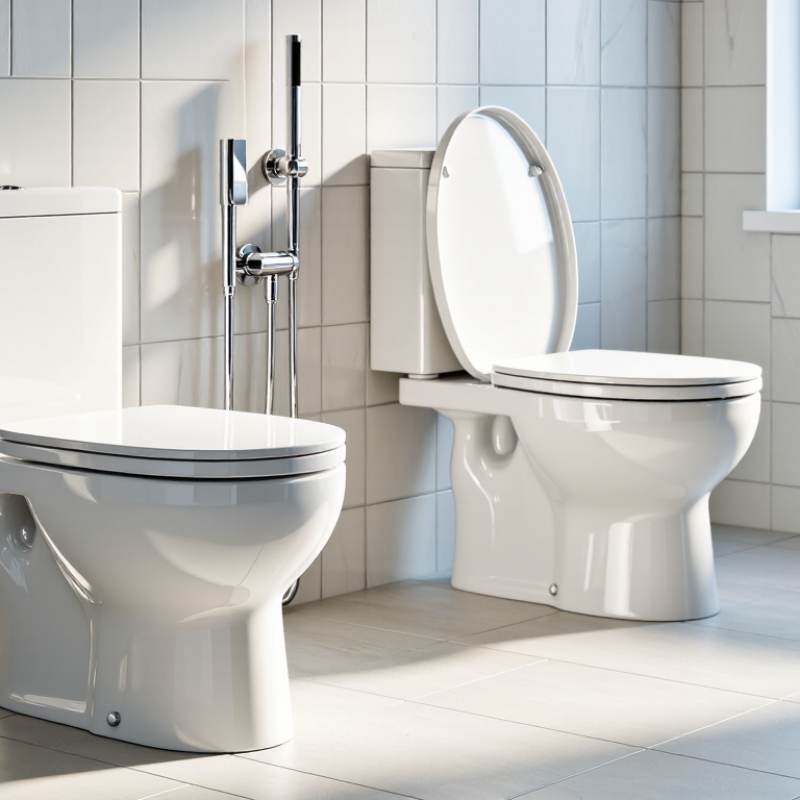
How to Choose a One Piece Toilet?

Understand the Design and Benefits of a One-Piece Toilet

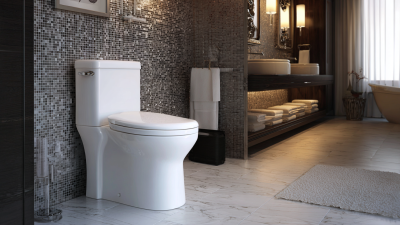
A one-piece toilet joins the tank and bowl into a single molded unit. The smooth transition leaves fewer seams where dust and grime can collect. That matters in a small bathroom. A damp cloth can reach around the base of the tank without working through a narrow joint. The design also gives the fixture a compact, continuous look, though personal taste matters. Some models are heavy, so check the bathroom’s access and installation requirements before ordering. Fewer visible joints do not mean no cleaning; the bowl, hinges, and floor still need regular attention.

Water use is worth checking alongside appearance. The U.S. Environmental Protection Agency’s WaterSense program says toilets account for nearly 30 percent of indoor water use in an average home. WaterSense-labeled models use 1.28 gallons per flush or less, at least 20 percent less than the federal 1.6-gallon standard; EPA estimates a family can save nearly 13,000 gallons annually by switching from older, inefficient toilets. These figures describe performance, not one-piece construction specifically. When comparing China One Piece And Two Piece Toilet options, check the flush rating, bowl height, rough-in measurement, and seat compatibility. A sleek shape is appealing, but a poor fit is a daily nuisance.

Measure the Bathroom Space and Toilet Rough-In

Measure from the finished wall to the center of the toilet flange, not to the baseboard. That distance is the rough-in; 12 inches is common, but 10- and 14-inch models also exist. A small mistake can leave the bowl misaligned or prevent it from fitting. Measure twice. Record the distance, bathroom width, and available space in front of the bowl. Include baseboards, trim, and door swing. The 2021 International Plumbing Code sets a minimum 15-inch clearance from the toilet centerline to a side wall or fixture, plus 21 inches of clear space in front. Local requirements can differ, so check your local code before buying.

Compare those measurements with the toilet’s specification sheet, including its total depth and tank width. One-piece toilets can be heavier and harder to maneuver through a narrow doorway, so measure the entry route too. Don’t assume the old toilet’s footprint is a perfect guide; it may have been installed with different clearances. When comparing OEM One Piece And Two Piece Toilet options, use the same rough-in and room measurements for each. Water use matters, but fit comes first: the U.S. EPA reports that toilets account for nearly 30% of indoor household water use. Its WaterSense program identifies models using 1.28 gallons per flush or less, at least 20% below the federal 1.6-gallon standard. Check the label and the actual product dimensions.

Choose a Bowl Shape, Height, and Size

Bowl shape changes how a one-piece toilet fits and feels. An elongated bowl gives more front-to-back sitting room, but its projection can crowd a short bathroom. A round-front bowl may leave more floor space near a door or vanity. Measure from the finished wall to the bowl’s front edge, then check the door swing and nearby drawers. Also confirm the rough-in—the distance from the wall to the floor drain. Small measurement errors matter. I would not choose by appearance alone.

Seat height and overall dimensions deserve equal attention. The U.S. Access Board’s ADA Standards specify a toilet-seat height of 17 to 19 inches for accessible installations; that measurement is not, by itself, proof that a bathroom meets accessibility requirements. Try the height that suits the people using it, and check clearance around the toilet. Measure width, depth, and lid clearance before ordering. One detail is easy to miss: a one-piece design may have a broad base that limits cleaning access. EPA WaterSense specifications set a 1.28-gallon-per-flush maximum for labeled toilets, at least 20% below the 1.6-gallon federal standard cited by EPA. Use that figure as a water-use check, not a substitute for fit.

Compare Flushing Systems and Water Efficiency

How to Choose a One Piece Toilet?

Compare Flushing Systems and Water Efficiency

A one-piece toilet’s joined bowl and tank can simplify cleaning, but its flushing design matters more day to day. Gravity-fed models use tank height and bowl shaping to create a siphon; they are usually quieter and mechanically simple. Pressure-assisted models use stored air pressure for a forceful flush, though they can sound sharper. Listen to a similar unit if noise matters. Small detail. Check whether replacement parts are standard and easy to find.

Water use gives a clearer comparison. The U.S. EPA’s WaterSense specification sets a maximum of 1.28 gallons per flush, at least 20% below the federal 1.6-gallon benchmark, while requiring tested performance. Look for the WaterSense label rather than trusting “low-flow” wording alone. Then compare flush scores in the MaP Testing report, which measures waste removal in grams under standardized conditions. A higher score may reduce repeat flushes, but it cannot predict performance in every home. Drain layout, bowl shape, and household needs matter too. I’d still check the flush in person; a score cannot capture its sound or feel.

Check Installation, Cleaning, and Maintenance Needs

A one-piece toilet joins the tank and bowl, so there is no tank-to-bowl seam to tighten later. Its single body can be heavier and awkward to lift through a narrow doorway. Before ordering, measure the rough-in from the finished wall to the center of the drain bolts, and confirm the supply-line position. Also check seat clearance, door swing, and floor level; small misses become frustrating after delivery. Measure twice.

Cleaning is often simpler around the tank joint, but the base still collects dust and splash marks. Use a soft cloth and a mild cleaner approved for the toilet’s surface; abrasive pads can dull the glaze. Clean beneath the hinges and around the flush button, where grime can hide in plain sight. Don’t force a stiff brush into narrow gaps.

Maintenance depends on access to the fill valve, flush valve, and seals, not just the outer shape. Check that replacement parts are standard or readily available before purchase, and keep the installation guide. A one-piece model may look easier to wipe, yet repairs can require more room around the bowl. When comparing Wholesale One Piece And Two Piece Toilet listings, verify dimensions and service access instead of relying on photos. I overlooked access once; appearance alone isn’t enough.

How to Choose a One Piece Toilet? - Check Installation, Cleaning, and Maintenance Needs

What to Check Useful Details Why It Matters Before You Buy
Rough-in measurement The rough-in is the distance from the finished wall behind the toilet to the center of the floor drain bolts. A 12-inch rough-in is common; 10- and 14-inch options are also available. A toilet with the wrong rough-in may not fit the existing drain location. Measure from the finished wall, not the baseboard, and confirm the toilet’s specified rough-in.
Available space Check the toilet’s total depth and width, door swing, nearby fixtures, and local clearance requirements. One-piece toilets can have a different footprint from the toilet being replaced. Compare the product dimensions with the bathroom layout and applicable local plumbing rules.
Weight and installation One-piece toilets combine the bowl and tank, so the unit is generally heavier and bulkier to handle than a two-piece model. Moving and positioning a heavy toilet can be difficult, especially in a tight bathroom. Check the listed product weight, access route, and installation instructions; arrange help if needed.
Water use and flushing In the United States, WaterSense-labeled toilets use 1.28 gallons per flush or less and meet applicable efficiency and performance criteria. Federal standards generally limit new residential toilets to 1.6 gallons per flush. Lower water use can reduce flushing water consumption, while a well-performing flush helps clear the bowl effectively. Review the toilet’s water-use rating and independent performance information. Requirements may differ by location.
Seat height Toilet heights vary. Accessible toilet installations commonly require a seat height of 17–19 inches above the finished floor, subject to applicable accessibility rules. The right height can make sitting and standing more comfortable for household members. Check whether the listed height is measured to the bowl rim or includes the seat, and verify accessibility requirements where relevant.
Bowl shape Elongated bowls generally project farther into the room than round-front bowls; exact dimensions vary by model. Bowl shape affects comfort and the space available in front of the toilet. Measure the available floor space and compare the bowl’s full dimensions before choosing.
Cleaning access A one-piece design has no separate tank-to-bowl joint, which removes that particular seam. Smooth surfaces and fewer exposed crevices can simplify exterior cleaning. Less difficult-to-reach exterior detailing may make routine wiping easier. Look at the base, hinges, and areas around the seat for surfaces that are easy to reach and clean.
Trapway and bowl design Trapway shape and bowl glazing vary. Some toilets have a concealed or skirted exterior, while others have an exposed trapway. A skirted exterior can be easier to wipe, but its shape may affect access to mounting bolts and service points. Check the cleaning instructions and confirm that installation and repair access will remain practical.
Replacement parts Flush valves, fill valves, flappers or seals, and other internal components may need replacement over time. Accessible, standard-sized parts can make routine maintenance less complicated. Review the parts list and confirm that replacement components are available and serviceable.
Floor and water connections Confirm the supply-line position, shutoff valve access, floor condition, drain connection, and whether the existing flange is sound and level. Connection or floor problems can complicate installation and may cause leaks or an unstable fit. Inspect the installation area before purchase; follow the toilet instructions and local plumbing requirements.
Cleaning products and routine care Use cleaning products and methods approved in the care instructions. Abrasive pads and harsh chemicals can damage some finishes or components. Appropriate cleaning helps preserve surfaces and seals. Read the care guide and check whether the seat and other removable parts can be cleaned or replaced easily.

Evaluate Features, Durability, and Overall Cost

How to Choose a One Piece Toilet?

Evaluate the toilet as a system, not just a glossy shape. A one-piece model has fewer tank-to-bowl connections, but its heavier body can make delivery and installation harder. Check the flush mechanism, seat compatibility, replacement-part availability, and warranty terms. The U.S. EPA’s WaterSense specification sets a maximum flush volume of 1.28 gallons per flush, at least 20% below the federal 1.6-gallon benchmark. Efficient flushing matters, but performance depends on bowl design and household use, too.

Compare the full cost: purchase price, installation, water use, and likely repairs. An inexpensive model may cost more if parts are difficult to find. For ODM One Piece And Two Piece Toilet sourcing, compare specifications and service access, not appearance alone. EPA WaterSense guidance supports checking certified efficiency rather than relying on vague “water-saving” claims. Still, a water-use figure cannot predict every clog or maintenance issue. That part deserves honest scrutiny.

Tips: Measure the rough-in and doorway before ordering. Ask how the flush valve and fill valve are replaced. Keep the model’s parts list; it may save a second service visit.

FAQS

How do I measure the toilet rough-in?

Measure from the finished wall to the center of the floor flange, not the baseboard. Twelve inches is common. Ten- and fourteen-inch options also exist. Measure twice.

What other bathroom measurements should I check?

Record the room width, toilet depth, tank width, and clear space in front. Include trim, baseboards, and the door swing. Fit comes first.

How much clearance should I allow around the toilet?

A common guideline is at least 15 inches from the toilet’s centerline to a side wall or fixture, with 21 inches in front. Local requirements can differ, so check before buying.

Should I measure the route into the bathroom?

Yes. A one-piece toilet can be heavy and awkward through a narrow doorway. Measure the entry route, too. The old toilet’s footprint may not be a reliable guide.

What is the difference between gravity-fed and pressure-assisted flushing?

Gravity-fed models use tank height and bowl shape to create a siphon. They are often quieter and mechanically simple. Pressure-assisted models use stored air pressure for a stronger, sometimes sharper-sounding flush.

How can I compare water use?

Check the product label and gallons per flush. A model using 1.28 gallons or less meets a common efficiency benchmark, compared with the 1.6-gallon federal standard. “Low-flow” wording alone tells you less.

Do flush-performance scores guarantee a good flush at home?

No. Standardized tests measure waste removal, but drain layout, bowl shape, and household needs can change results. A higher score may help reduce repeat flushing. Not always.

What should I consider besides measurements and water use?

Check whether replacement parts are easy to find. If noise matters, listen to a similar model before choosing. A score cannot capture its sound or feel. I’d still want to hear it myself.

Conclusion

Choosing a one-piece toilet starts with understanding its integrated design, which can create a streamlined appearance and reduce the seams where dirt may collect. Before selecting a model, measure the bathroom carefully, including the available floor area and the rough-in distance from the wall to the drain. Then consider bowl shape, toilet height, and overall size to ensure the fixture feels comfortable and fits the room without obstructing doors or nearby fittings.

Compare flushing performance and water use to find a balance between reliable operation and efficiency. Also check installation requirements, cleaning access, and the maintenance the toilet may need over time. Features such as a soft-close seat or an easy-clean finish can add convenience, while durable materials may offer better long-term value. Whether you are considering a One Piece Seat Toilet or another configuration, weigh the purchase price against installation needs, upkeep, comfort, and expected durability.
Aria

Aria

Aria is a dedicated marketing professional at Guangdong Oulu Sanitary Ware Co., Ltd., a leading company in the bathroom fixtures industry. With a profound knowledge of the company’s products, Aria excels in communicating their unique features and advantages to customers. Regularly updating the......
Previous Who Are China Top Smart Electric Toilet Manufacturers?