Leave Your Message
0%

So, China's smart toilet industry is really moving beyond luxury hotels and high-end bathrooms—it's starting to show up in ordinary city apartments. A couple of market research outfits, like Grand View Research and Fortune Business Insights, both point to steady global growth, driven by aging populations, growing hygiene awareness, and the whole connected-home craze. But here's the thing: those reports don't see eye to eye on what actually counts as a 'smart toilet.' One might only tally integrated bidet toilets, while the other throws in electronic toilet seats too. That means you can't just line up their numbers and compare them directly—it's kind of like comparing apples and oranges.

China's still a massive player in manufacturing and consumer consumption, no doubt. According to the China Household Electrical Appliances Association, people are increasingly looking for toilets with water-saving functions, heated seats, deodorization, night lighting, and automated cleaning. These days, those features basically define what we mean by an Electric Toilet Smart. You know, when you start looking into Chinese bathroom brands, a handful of names keep coming up—JOMOO, Huida, Arrow Home, HEGII, SSWW, and Faenza. They've got pretty wide product lines and solid distribution back home, so they're hard to ignore. Some of these guys are all about smart toilets, while others go for the whole bathroom package. But honestly, the way people rank these brands? It's not set in stone at all.

You know, when you're really trying to compare options fairly, you've gotta look beyond the shiny stuff. I mean, sure, check out the factory's capabilities and certifications, but don't forget about after-sales support, how stable the software actually is, what water pressure it needs, and whether you can easily get replacement parts. And here's the thing—public sales data can be pretty sketchy, especially if the company is private or they're making stuff under contract for someone else. Just because a brand is visible doesn't mean they're actually the best at manufacturing, you know? What really counts is what happens in the field: a quiet lid, a flush that doesn't hiccup, and changing the filter without a hassle can matter way more than a long list of fancy features.

Okay, so this guide really digs into which Chinese manufacturers are actually worth your time—based on real, checkable stuff, not just hype. We looked at things like how well they engineer their products, their track record with exports, what users are saying, and solid data from industry reports. That said, don't just take our word for it. Before you pull the trigger on a purchase, you should definitely double-check the latest models, what certifications they hold, and whether their service actually covers your region. A little homework goes a long way.
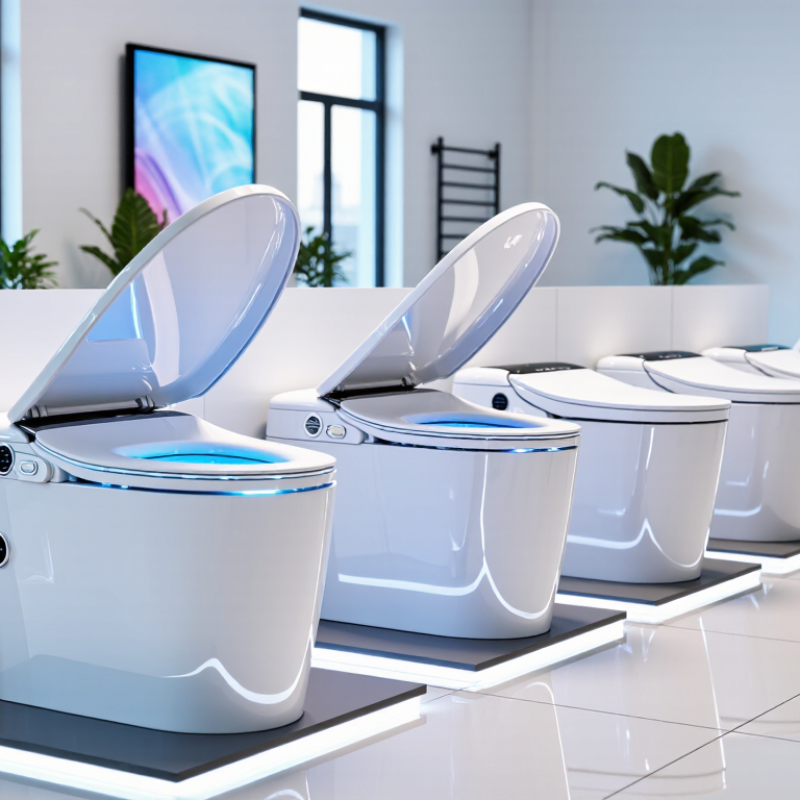
Who Are China Top Smart Electric Toilet Manufacturers?

What Defines a Smart Electric Toilet Manufacturer in China?

A smart electric toilet manufacturer in China is defined by more than factory size or export volume. Strong manufacturers combine sanitary-ware experience with electrical engineering, water-saving design, and strict quality control. Their teams should understand heated seats, bidet pumps, sensors, drying systems, and ceramic production. They also test products under repeated use, not only during showroom demonstrations. Real reliability appears in details, such as stable water pressure, accurate temperature control, sealed circuit boards, and accessible replacement parts.

A dependable manufacturer can explain its production process clearly. This includes incoming material checks, assembly inspections, electrical safety testing, leak testing, and final packaging reviews. Export documentation and compliance with applicable destination standards also matter. Ask for factory audit records, test reports, warranty terms, and installation guidance. Honest communication is important. No factory is perfect. A supplier that admits design limits may be more trustworthy than one promising everything.

Tips: Visit the production line when possible. Check ceramic glazing under bright light. Test the seat sensor, flushing sound, water temperature, and remote response. Request samples from different batches, because one excellent sample proves little. Also discuss after-sales training and spare-part storage before signing a contract. The cheapest offer can become expensive when small failures interrupt installation or service.

China’s Leading Smart Electric Toilet Manufacturers by Product Focus

China’s leading smart electric toilet manufacturers are increasingly defined by product focus, not factory size. Integrated bidet toilets lead the premium segment, combining heated seats, warm-water cleansing, deodorization, automatic flushing, and night lighting. Smart seat specialists target existing ceramic toilets, reducing installation cost and renovation waste. This distinction matters when evaluating China Electric Toilet Smart suppliers.

Grand View Research reported that the global smart toilet market was valued at about USD 9.9 billion in 2023, with strong growth expected through 2030. Product-focused Chinese manufacturers are responding with quieter pumps, instant water heating, and easier-to-clean ceramic surfaces. Commercial-focused producers prioritize frequent-use durability, larger flush valves, sensor reliability, and replaceable control modules. Residential specialists often emphasize comfort, remote controls, and compact dimensions for apartments.

Factory audits show practical differences that brochures rarely explain. Check water-pressure requirements, leakage testing, electrical protection, and after-sales spare-part access. A bathroom display may hide a short cable, awkward filter position, or slow recovery after repeated use. Industry reports provide useful market direction, but their figures are not perfectly comparable because product definitions differ. That is a weakness worth remembering. Independent testing, production records, and user trials should support any purchasing decision.

Core Technologies Used in China’s Smart Toilet Manufacturing

China’s smart electric toilet manufacturing increasingly depends on integrated engineering, not decoration alone. Ceramic bodies are shaped for stable water flow and easier cleaning. Inside, a compact control board manages heating, flushing, drying, and seat temperature. Waterproof connectors reduce risk near the water path. However, layout quality still varies between factories.

Temperature sensors adjust the heating element within seconds. Flow sensors detect weak water pressure and abnormal filling. Some systems add pressure relief valves and automatic leakage protection. A gentle spray pump improves comfort while reducing unnecessary water use. Technicians test these functions with repeated cycles, cold water, and voltage changes. The tests are practical, though no factory can predict every household condition.

For OEM Electric Toilet Smart projects, engineers usually confirm voltage, inlet size, spray position, and software language early. A sample may pass inspection but feel noisy in a small bathroom. That detail matters. Manufacturing teams also check ceramic flatness, seat alignment, grounding, and insulation resistance. Data from aging tests can reveal pump wear or unstable sensors. Still, some designs prioritize features over repair access. This remains a weakness worth reviewing before mass production. A reliable product should be quiet, safe, serviceable, and consistent after thousands of daily flushes.

How Chinese Smart Toilet Manufacturers Control Quality and Safety

China’s leading smart electric toilet manufacturers treat quality control as a process, not a final inspection. Their production lines usually verify ceramic dimensions, seat strength, water pressure, heating performance, and electronic response. Technicians also inspect silicone seals and cable connections before assembly. Small defects can become serious after months of moisture exposure.

Safety testing focuses on water and electricity sharing one product. Manufacturers separate wet and electrical areas, use leakage protection, and test grounding continuity. They may run repeated flushing cycles while monitoring temperature, pump noise, and current changes. Each unit can receive a traceable code linked to its components, operator, and inspection records. This helps factories identify recurring faults instead of hiding them.

Reliable factories also audit suppliers for sensors, heating elements, valves, and plastic parts. Incoming materials are sampled before entering production. Independent laboratories may check electrical safety, electromagnetic compatibility, and chemical limits. However, factory procedures are not automatically perfect. A clean test result cannot predict every household’s water quality or voltage fluctuation. Better manufacturers collect field complaints, review failed units, and adjust designs accordingly. That attitude matters. Quality is not only a certificate; it is the discipline to question a product that appears finished.

Smart Electric Toilet Quality Benchmark: Flush-Volume Limits

Flush-volume testing is a measurable quality-control checkpoint for smart electric toilets. Lower water consumption generally requires accurate sensor calibration, reliable valve control, and stable performance across repeated tests. Electrical safety, leakage protection, grounding, and ingress protection must be verified separately under the applicable national and international standards.

Reference sources: U.S. federal appliance standards, EPA WaterSense residential toilets, California energy and appliance efficiency regulations.

OEM, ODM, and Export Services Offered by Chinese Manufacturers

China’s leading smart electric toilet manufacturers increasingly support OEM, ODM, and export programs for overseas buyers. Their factories typically combine ceramic production, electronic assembly, water testing, and final inspection under one supply chain. This integration can shorten communication and reduce coordination errors.

OEM buyers can provide drawings, logos, packaging designs, and technical specifications. The manufacturer then produces the toilet according to approved samples. ODM projects offer a faster route. Buyers select an existing structure, then adjust functions such as heated seats, warm-water washing, night lighting, drying, or remote controls. A practical supplier should explain power requirements clearly and provide sample testing before mass production. Small details matter. A loose cable can create costly delays.

For Wholesale Electric Toilet Smart projects, export experience is especially important. Reliable teams prepare multilingual manuals, carton markings, spare-part lists, and loading plans. They should also confirm voltage, plug type, water pressure, drainage design, and destination-market requirements before production. Factory audits can review ceramic firing records, leak-test procedures, aging tests, and packaging strength. Certifications should match the actual model, not merely a similar product. No catalog tells the whole story. A polished sample may hide inconsistent assembly. Pilot orders often reveal these weaknesses, so buyers should measure defect rates and response speed before expanding. Even experienced manufacturers may need improvement in after-sales coordination and customized software support.

Who Are China Top Smart Electric Toilet Manufacturers? - OEM, ODM, and Export Services Offered by Chinese Manufacturers

Manufacturer Profile Typical Smart Toilet Product Scope OEM Capability ODM Capability Export Services Common Technical Features Quality and Compliance Support Suitable Buyer Type
Integrated sanitary-ware manufacturer One-piece smart toilets, bidet toilet seats, ceramic bowls, concealed cisterns, and matching bathroom accessories. Available
Private-label production, logo application, packaging customization, and product labeling.
Available by project
Customized colors, seat layouts, control panels, flushing configurations, and appearance details.
Export packing Container loading Commercial invoices Packing lists Heated seat, warm-water washing, adjustable water pressure, air drying, deodorization, night light, and automatic flushing. Factory quality inspection, electrical safety documentation, user manuals, carton markings, and market-specific document support. Bathroom wholesalers, distributors, private-label retailers, and project contractors.
Electronics-focused smart toilet factory Smart toilet seats, electronic control systems, sensor modules, remote controls, heated components, and replacement parts. Available
Branding of control panels, remotes, labels, firmware settings, and retail packaging.
Available
Development of control logic, sensor combinations, user interfaces, and electronic modules.
Multi-language manuals Spare-parts programs Technical support Drop-shipment options Motion or occupancy sensing, instant or tank-type water heating, temperature memory, energy-saving mode, and remote control operation. Electrical safety testing, component traceability, inspection records, and documentation for applicable destination-market requirements. Consumer-electronics distributors, online retailers, bathroom technology brands, and replacement-seat importers.
Mid-to-high-end bathroom solution manufacturer Premium smart toilets, integrated bidet systems, matching washbasins, bathroom furniture, showers, and complete bathroom collections. Available
Customized finishes, exterior markings, packaging, product bundles, and sales materials.
Available
Design adaptation, prototype development, coordinated product collections, and project-specific engineering.
Project quotations Palletized export Installation guides After-sales coordination Automatic lid opening, foot-sensor activation, UV or nozzle cleaning functions, heated drying, deodorization, and user presets. Material inspection, water-leak testing, functional testing, pre-shipment inspection, and support for destination-market certification. Hospitality projects, residential developers, showroom networks, and premium bathroom distributors.
Mass-market OEM production specialist Standard smart toilets and bidet seats designed for high-volume retail, apartment projects, and value-oriented distribution. Strong
Standardized models with customized logos, cartons, labels, colors, and accessory combinations.
Limited to moderate
Usually based on existing platforms with controlled engineering changes.
High-volume production Container consolidation Export labeling Basic warranty support Heated seat, rear and feminine washing, adjustable nozzle position, water-temperature control, air drying, and soft-close lid. Incoming-material inspection, assembly-line testing, leakage checks, aging tests, and batch inspection reports. Importers, chain retailers, large distributors, property suppliers, and e-commerce sellers.
Export-oriented bathroom equipment supplier Smart toilets sourced or produced through coordinated factory networks, including standard and customized bathroom products. Available through approved production lines
Private labeling, export packaging, product combinations, and documentation management.
Usually limited
Customization generally focuses on existing models and packaging rather than full product redesign.
Sourcing coordination Inspection management Freight coordination Document preparation Product functions vary by selected model and may include heated seating, washing, drying, deodorization, and automatic flushing. Supplier audits, pre-shipment inspections, carton verification, product manuals, and destination-market document coordination. Overseas wholesalers, trading companies, project buyers, and first-time importers.
Project-customization manufacturer Smart toilets for hotels, apartments, healthcare facilities, senior-living projects, commercial buildings, and public facilities. Available
Project labeling, packaging, installation documentation, accessories, and batch configuration.
Available by specification
Voltage, drainage arrangement, seat height, control method, water-saving settings, and accessibility-related adaptations.
Technical submittals Sample approval Batch delivery Installation support Remote controls, user-memory settings, sensor activation, automatic flushing, adjustable washing, and anti-scald temperature control. Product drawings, installation instructions, test samples, inspection plans, and project documentation subject to buyer requirements. Architects, engineering contractors, developers, hospitality groups, and public-facility procurement teams.
The profiles above describe common Chinese smart electric toilet manufacturing categories rather than individual companies or brands. Actual OEM, ODM, certification, minimum-order, lead-time, voltage, and after-sales conditions should be confirmed directly with the selected manufacturer for each project.

How to Evaluate and Select a Reliable Chinese Manufacturer

Who Are China’s Top Smart Electric Toilet Manufacturers?

Selecting a reliable Chinese manufacturer requires more than comparing prices or showroom photos. Visit the factory, if possible. Observe assembly lines, warehouse labeling, and quality inspection records. A clean display area proves little. Production discipline matters more.

Ask whether the supplier has experience with ODM Electric Toilet Smart projects. Request product samples before signing a large order. Test flushing strength, seat heating, spray pressure, drying temperature, and noise levels. Check how workers handle water leakage tests and electrical safety inspections. A dependable manufacturer should explain materials, testing methods, production capacity, and expected lead times clearly. Vague answers deserve caution. Product documents should also support your target market’s certification and installation requirements.

Tips: Compare at least three factories. Speak with a technical contact, not only a salesperson. Request an unedited factory video or arrange an independent audit. Confirm spare parts availability, warranty handling, packaging protection, and response times in writing. Small details matter. For example, a damaged ceramic edge or poorly sealed control panel can create expensive complaints. A polished sample may still hide inconsistent mass production. That is an uncomfortable risk, and it should be tested rather than ignored. Reliable selection comes from evidence, repeated communication, and a willingness to question attractive promises.

Smart Toilet Market Insights from Grand View Research: Why OL-T20 Elevates Luxury Bathrooms

The global smart toilet market is entering a strong growth phase as consumers increasingly prioritize hygiene, wellness, and connected home experiences. According to Grand View Research, the market was valued at approximately USD 9.94 billion in 2023 and is projected to expand at a compound annual growth rate of about 12.8% from 2024 to 2030. This momentum reflects rising demand for touch-free operation, water-saving technologies, and bathroom products that combine practical performance with contemporary design.

The OL-T20 Premium Smart Toilet is designed for this evolving luxury bathroom segment. Its refined appearance complements modern interiors, while automatic lid opening and flushing create a more convenient, hands-free experience. Integrated water washing supports personal cleanliness and comfort, and the antibacterial heated seat ring provides warmth and added hygiene throughout the year. By combining intelligent functions with an elegant form, the OL-T20 helps transform the bathroom from a purely functional space into a more comfortable and sophisticated part of daily life.

The product is suitable for residential developments, hotels, upscale renovations, and hospitality projects seeking differentiated bathroom solutions. OEM/ODM cooperation, trade, and wholesale opportunities are available. For product specifications, customization options, or commercial inquiries, professional assistance and detailed responses can be provided.

FAQS

What defines a reliable smart electric toilet manufacturer in China?

Experience matters, but factory size is not enough. A dependable manufacturer combines ceramics, electronics, plumbing, and quality control. It should understand heated seats, sensors, pumps, drying systems, and water-saving design. No factory is perfect. Honest limits are a positive sign.

How should buyers evaluate production quality?

Ask to see incoming material checks and assembly inspections. Review leak testing, electrical safety testing, and final packaging procedures. Inspect ceramic glazing under bright light. Check for uneven surfaces, pinholes, or visible cracks.

What safety controls should a smart toilet include?

Wet and electrical areas should be properly separated. The product should support leakage protection and grounding checks. Factories may test flushing cycles, current changes, water temperature, and pump noise. Small cable defects can worsen after months of moisture exposure.

How can buyers verify product reliability?

Request samples from different production batches. One excellent sample proves little. Test the seat sensor, remote response, water temperature, and flushing sound. Repeated testing reveals weaknesses that a showroom demonstration may hide.

What documents should a manufacturer provide?

Ask for factory audit records, test reports, warranty terms, and installation guidance. Compliance documents should match the actual product model. Manuals should explain voltage, water pressure, drainage, and installation requirements. Paperwork alone cannot prove daily reliability.

What are the benefits of OEM and ODM cooperation?

OEM production follows approved drawings, specifications, packaging, and samples. ODM cooperation adapts an existing structure with selected functions. Possible options include heated seats, warm-water washing, night lighting, drying, and remote controls. Small details matter.

What export services should an experienced supplier offer?

Export teams should prepare multilingual manuals, carton markings, spare-part lists, and loading plans. They should confirm voltage, plug type, drainage design, and destination requirements. Spare parts should be available after installation. This part is sometimes overlooked.

Why are pilot orders important before larger purchases?

Pilot orders can reveal inconsistent assembly, packaging damage, or slow communication. Measure defect rates and response speed before expanding the order. Discuss after-sales training and spare-part storage early. The cheapest offer may become expensive later.

Conclusion

China’s smart electric toilet manufacturing industry is defined by its ability to combine sanitary ware expertise with electronics, automation, water efficiency, and user-focused design. Leading manufacturers typically specialize in different areas, including integrated smart toilets, intelligent toilet seats, commercial solutions, and customized bathroom products. Core technologies may include sensor-based flushing, temperature control, deodorization, bidet functions, energy management, and digital control systems. These manufacturers also emphasize quality through material testing, electrical safety checks, waterproofing assessments, production inspections, and compliance with relevant international standards.

For overseas buyers, Chinese manufacturers commonly provide OEM and ODM services, allowing customers to customize appearance, functions, packaging, software interfaces, and product specifications. Export support may include documentation, logistics coordination, technical assistance, and after-sales communication. When selecting a reliable supplier, buyers should evaluate manufacturing capacity, certification records, quality-control procedures, research and development capability, communication efficiency, production lead times, and service support. A professional Electric Toilet Smart manufacturer should offer consistent quality, transparent cooperation, stable supply, and flexible solutions for different markets and customer requirements.
Sophia

Sophia

Sophia is a dedicated marketing professional at Guangdong Oulu Sanitary Ware Co., Ltd., where she showcases her expertise in the sanitary ware industry. With a deep understanding of the company’s innovative product range, she passionately communicates the unique features and benefits of each item......
Previous What Is a Wall Attached Toilet and How Does It Work?