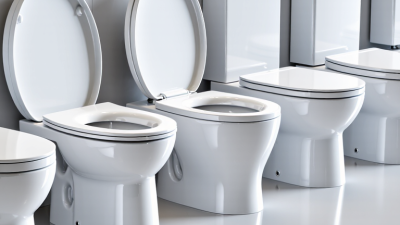
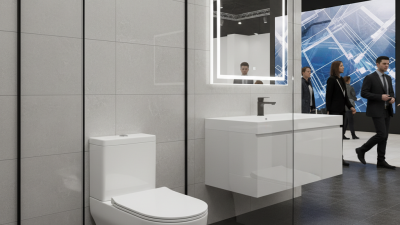
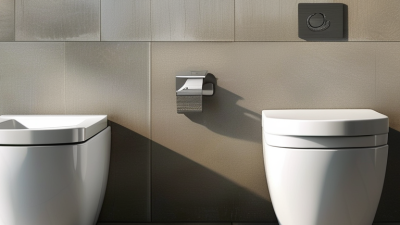
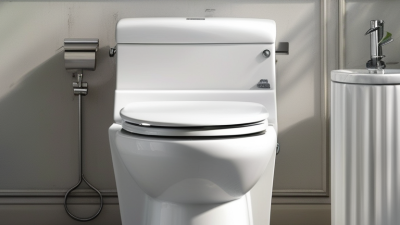
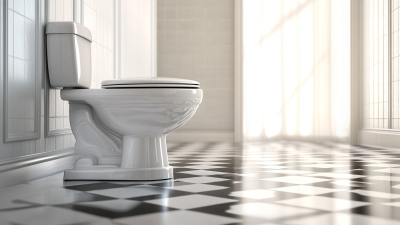
When you're choosing a Compact One Piece Toilet, it’s not just about hunting for the tiniest bowl out there. It’s actually more about paying attention to your bathroom’s dimensions, how your plumbing lines up, how well it flushes, and whether it feels comfortable to use every day. Sometimes, a model might look perfect online, but then you realize it’s cramped next to your vanity or leaves no room near the door. Space really does matter. And trust me, small measurement slip-ups can lead to costly installation headaches later on.
The U.S. Environmental Protection Agency’s WaterSense standards say that certified tank-type toilets should use 1.28 gallons per flush or less, while still doing a solid job flushing. That’s actually pretty helpful because it makes water efficiency something you can measure, not just a vague marketing promise. The EPA also suggests checking for certification labels and verified performance info before making a buy — it pays to do your homework.
Plus, the latest 2024 Houzz Bathroom Trends Study shows folks still really care about practical upgrades, easier maintenance, and making their bathrooms work better. Basically, a compact design shouldn’t just be about saving space; it should make the whole room feel better and more functional.
In this guide, I’ve put together seven tips to help you pick a reliable Compact One Piece Toilet. We’re talking about things like rough-in distance, projection depth, seat height, trapway design, glaze quality, installation access, and warranty details. Be sure to compare manufacturer specs carefully, since dimensions aren’t always listed in the same way. Just because something’s labeled “compact” doesn’t mean it’s small everywhere — it might have a long tank or a seat height that’s awkward. Don’t rely solely on how it looks; the perfect toilet doesn’t really exist, so it’s about choosing what works best for your space, your plumbing setup, how you like to keep things clean, and who’s going to be using it. And hey, don’t forget to think about costs — a cheaper toilet can turn into a money pit if replacement parts are hard to find or if unexpected modifications are needed during installation.
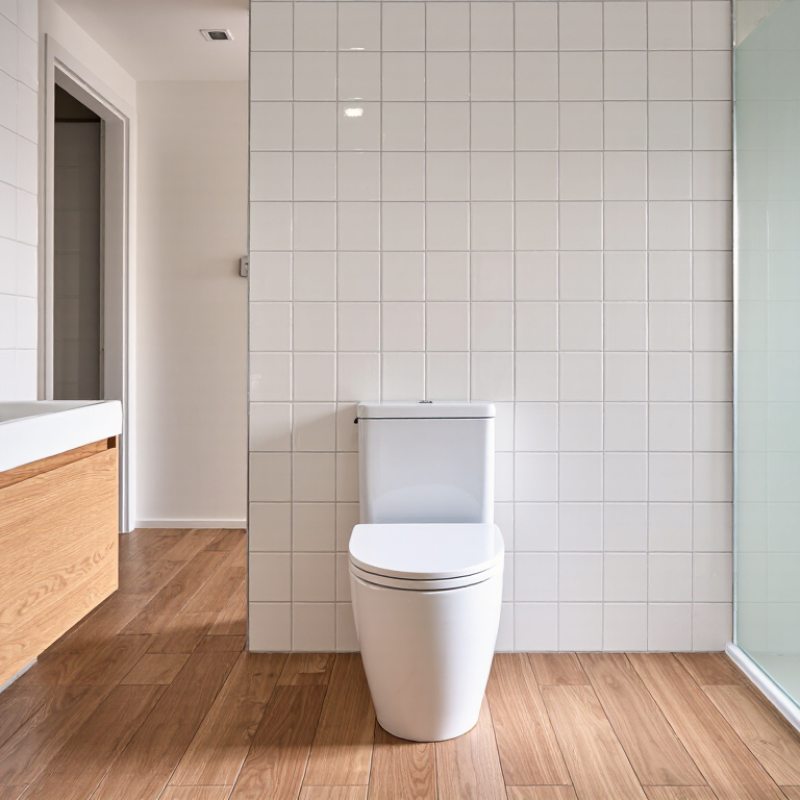
Understanding what makes a one-piece toilet compact requires more than checking its advertised width. Measure the full projection from the finished wall to the bowl’s front edge. A toilet may look narrow yet occupy valuable floor space. Keep the rough-in distance in mind, usually measured from the wall to the waste outlet center. A mismatch can turn installation into an expensive mistake.
Look for a shorter tank and a rounded or compact-elongated bowl. These shapes can improve movement in a small bathroom without making the seat uncomfortable. Check the total height, too. A taller model may help some users, but it can feel bulky beneath a low window. Leave enough side clearance for cleaning and comfortable sitting. Tight is not always compact.
Measure twice.
One-piece construction removes the seam between tank and bowl, giving dust fewer places to collect. It can also simplify wiping around the base. However, the unit is heavier, so confirm that the floor can support it and that the delivery route has enough clearance. Compare the water-use rating and flush performance, not just the exterior size. A smaller toilet with a weak flush may demand repeated flushing, wasting space and water in another way. I once focused too heavily on depth and overlooked the lid opening near a wall cabinet. That small oversight changed the entire layout. Check every swing, reach, and cleaning path before buying.
A compact one-piece toilet typically reduces bathroom footprint through a shorter projection, narrower bowl, and integrated tank design. The representative dimensions below reflect common compact residential configurations; exact measurements vary by model and installation requirements.
Before purchasing, measure the available floor depth and width, confirm the rough-in distance from the finished wall to the drain center, check bowl height for comfort, and leave sufficient clearance for the door and surrounding fixtures. A shorter projection is usually the most important feature in a small bathroom.
Before choosing a compact one-piece toilet, measure the room, not just the old fixture. I once measured wall-to-wall space and missed the door swing. The toilet technically fit, but entry felt awkward. Start with the finished wall behind the toilet. Measure to the drain center, known as the rough-in. Record width, depth, and height.
Measure from the bowl front to the opposite wall, cabinet, or shower glass. Check side clearance from the toilet centerline to each wall. Mark the footprint with painter’s tape on the floor. Open the bathroom door fully. Then test the lid and seat clearance. Measure twice. A compact bowl can still have a long tank profile. Do not trust catalog dimensions alone. Handles, trim, and molding may add important inches. Measure the water supply location and shutoff access. If floor tile is uneven, measure at several points. Small errors matter.
When comparing a China Compact One Piece Toilet, request exact assembled dimensions, rough-in range, and seat height. Confirm whether the stated depth includes the lid and front projection. I would also check waste outlet alignment before ordering. A licensed plumber can verify drainage, supply connections, and local clearance rules. Photos help, but a scaled floor sketch is more reliable. Leave space for cleaning tools and movement. A model may fit on paper yet feel cramped daily. That was the part I underestimated.
Tip 1: Choose a round bowl for very tight bathrooms. Its shorter projection may protect walking space near the door.
Tip 2: Select an elongated bowl when comfort matters more than a few extra inches. The longer front usually provides better thigh support.
Tip 3: Check the bowl’s widest point, not only its length. A narrow room can feel cramped beside a wide base. Measure carefully.
Tip 4: Compare seat heights with the people using the bathroom. Standard-height models suit many users, while comfort-height seats can help taller adults or people with limited mobility.
Sit on a similar seat before ordering, if possible. That small test matters.
My own mistake was judging height from a specification sheet alone. The toilet felt higher than expected after installation.
Tip 5: Record the full projection from the wall to the bowl’s front edge.
Tip 6: Measure side clearance, door swing, and space around nearby fixtures.
Tip 7: Confirm the rough-in distance and water-supply position before purchase.
A compact toilet still needs service access. Leave enough room to clean behind and beside it.
Some measurements can be slightly misleading because trim, flooring, and baseboard change the final fit. Recheck them with a tape measure, then compare the actual installation drawing.
When I assess a compact one-piece toilet, I start with flush performance, not appearance. A narrow bowl should still clear paper and waste in one firm cycle. Look for an independently verified bulk-removal rating before purchasing. Test the button or handle for a smooth, confident response. The flush should sound strong, not strained. Check whether water reaches the front and sides of the bowl evenly.
Water efficiency involves more than a low number on the label. Compare liters per flush and check whether the model uses a full or partial dual-flush system. A low-flow toilet may save water, but weak rinsing can cause repeat flushes. That defeats the purpose. Watch the bowl wash during testing. Some designs leave a dry mark near the rim, especially after several uses. I once overlooked this detail in a small bathroom selection, and cleaning became more frequent than expected.
For an OEM Compact One Piece Toilet, request test data before ordering. Confirm inlet pressure requirements, trapway size, and flush volume. Measure the water line carefully. Installation gaps matter. Be honest about household habits, too. A compact toilet with a lighter flush may suit occasional use, but busy homes need dependable waste removal. Some toilets need a second flush. That deserves scrutiny.
A compact one-piece toilet can save valuable floor space, but installation still needs careful planning. Measure the rough-in distance from the finished wall to the waste outlet. Do not measure from the baseboard. I once trusted an old measurement and found the tank nearly touched the wall.
Check the bowl’s width, depth, and height before ordering. Leave enough side clearance for comfortable use and future repairs. Confirm that the floor is level, because a small tilt can cause rocking and seal problems. The supply line should remain accessible, not trapped behind the ceramic base. Ask a qualified plumber to verify drainage, water pressure, and local installation requirements. A Wholesale Compact One Piece Toilet may look simple, yet its connections still require precision.
Cleaning needs deserve equal attention. Choose a smooth base with fewer exposed joints, where dust and moisture usually collect. Look closely under the rim and around the seat hinges. Narrow gaps can become frustrating during weekly cleaning. Use a soft brush and a non-abrasive cleaner to protect the glazed surface. Avoid pouring very hot water into the bowl, since sudden temperature changes may damage ceramic. Short cleaning tools help in tight bathrooms. I prefer a removable seat because it makes the rear area easier to reach. Still, that choice can create loose hinges if neglected. Check them occasionally. A beautiful compact toilet is not truly practical when cleaning requires awkward bending every time.
| Tip | Buying Criterion | What to Measure or Verify | Practical Guidance | Cleaning and Maintenance Considerations |
|---|---|---|---|---|
| 1 | Overall Toilet Dimensions | Measure the available width, depth, and height, including clearance for the seat, lid, supply line, and access to the shutoff valve. | Compact models are commonly about 24–28 inches deep and 14–16 inches wide, but actual dimensions vary. Confirm the manufacturer’s dimensional drawing before purchase. | A smooth, fully glazed exterior with fewer exposed joints generally provides fewer areas where dust and residue can collect. |
| 2 | Rough-In and Drain Alignment | Measure from the finished wall to the center of the floor drain. Do not measure from the baseboard or unfinished wall. | A 12-inch rough-in is common in residential bathrooms, while 10-inch and 14-inch configurations also exist. The toilet’s specified rough-in must match the existing drain location. | Correct alignment helps prevent leaks and avoids improvised fittings that can make the floor area harder to clean. |
| 3 | Water Supply and Plumbing Access | Locate the water supply outlet, confirm its height and side position, and check whether the toilet base will obstruct the shutoff valve. | Choose a supply connection compatible with the existing valve and leave enough space to operate the valve and disconnect the hose for servicing. | An accessible shutoff valve allows easier maintenance without removing the toilet or disturbing the finished floor. |
| 4 | Bowl Shape and User Clearance | Compare round-front and elongated bowl dimensions, then verify front clearance and side-to-side space in the room. | Round-front bowls usually save several inches of projection compared with elongated bowls. Maintain local code clearances; many residential guidelines use about 21 inches of front clearance as a minimum recommendation. | A wider opening and accessible rim can make routine bowl cleaning easier, while a compact round bowl may simplify cleaning in a very small room. |
| 5 | Flush Performance and Water Use | Review the certified flush volume and performance rating, if available, rather than judging performance only by the bowl size. | High-efficiency toilets generally use no more than 1.28 gallons per flush, while standard modern toilets may use up to 1.6 gallons per flush in regions following common North American standards. | A strong, well-designed flush can reduce residue left in the bowl and decrease the frequency of manual scrubbing. |
| 6 | Base Design and Installation Method | Check whether the base has concealed mounting holes, an access panel, or other features that affect leveling, fastening, and future removal. | One-piece toilets have fewer tank-to-bowl connection points than two-piece toilets, but they are often heavier. Plan for careful lifting and use a level surface with a new sealing ring. | A skirted or fully enclosed trapway reduces external contours and can make wiping the sides and floor area faster. |
| 7 | Seat, Lid, and Serviceability | Confirm seat compatibility, hinge access, lid clearance, replacement-part availability, and the method for removing the seat and flush components. | Choose components that can be removed with ordinary tools and verify that replacement seals, fill valves, flush valves, and seats are standard or readily available. | Quick-release seat hinges and a removable lid simplify access to hidden areas and reduce the time needed for deep cleaning. |
A compact one-piece toilet saves floor space, but comfort depends on geometry, not appearance. Measure the rough-in, bowl projection, and door swing before choosing. Seat heights around 16 to 18 inches suit many adults, yet shorter users may feel unstable. Sit-test if possible. The wrong height becomes obvious at night.
Planning guidance from the National Kitchen & Bath Association stresses usable clearances around bathroom fixtures. A smaller footprint should not create cramped knee space.
Check compliance with ASME A112.19.2/CSA B45.1 and inspect the glazed trapway. MaP Performance Testing compares flushing strength by grams removed, giving buyers a practical benchmark. Higher scores help, but they cannot predict every clog.
Water efficiency also matters. The U.S. EPA WaterSense specification limits qualifying toilets to 1.28 gallons per flush, at least 20% below standard 1.6-gallon models, while requiring equal or better performance. Efficient should still mean dependable.
One-piece construction removes a tank seam and may reduce leak points. It can also be heavy and difficult to install alone.
A skirted base reduces dust-catching corners, but concealed channels may make repairs less intuitive. Choose accessible hinges, standard replacement parts, and a reachable shutoff valve.
I would not trust a polished showroom sample. Check warranty terms, cleaning instructions, and local service access.
Compact design always involves trade-offs.
When space is tight, a compact one-piece toilet can look like an easy bargain. In practice, purchase price tells only part of the story. Measure the rough-in, bowl depth, seat height, and door clearance before comparing models. I once focused on width and overlooked the lid opening near a wall. That small mistake made cleaning awkward. An ODM Compact One Piece Toilet may offer flexible production options, but value still depends on materials, testing, and support.
Read the warranty terms before trusting the warranty length. Check coverage for ceramic cracks, flushing parts, seats, labor, and shipping. Some warranties exclude damage caused during installation or use outside recommended conditions. A longer warranty is not automatically better. Look for clear claims procedures and available replacement parts. Keep the invoice and installation photos. They can save time when a problem appears months later.
Long-term value also depends on water use, flush consistency, and cleaning effort. A smooth, well-glazed surface usually leaves fewer stains around the trapway. Ask a qualified installer to confirm local plumbing requirements and installation costs. The cheapest unit may become expensive after a weak valve, difficult repairs, or a special replacement seat. I still think price matters, but I now compare the full ownership cost. My judgment is not perfect; I once ignored service availability and regretted it.
A round bowl saves projection and protects walking space near the door. An elongated bowl offers better thigh support. Comfort wins sometimes.
Yes. Check the bowl’s widest point and the base width. A narrow room can feel cramped beside a wide toilet. I once checked length only. That was careless.
Standard height suits many people. A comfort-height seat may help taller adults or users with limited mobility. Sit on a similar seat beforehand. Specifications fooled me once.
Measure wall-to-front projection, side clearance, door swing, and nearby fixture spacing. Include space for the lid to open. A tape measure matters.
The rough-in must match the existing drain location. Confirm the water-supply position too. Otherwise, installation may require extra work. Compact does not mean flexible.
Leave room behind and beside the toilet for cleaning and repairs. Baseboards, flooring, and trim can change the final fit. Recheck the installation drawing.
Check coverage for ceramic cracks, flushing parts, seats, labor, and shipping. Read exclusions for installation damage. Keep the invoice and installation photos. Warranty length alone proves little.
Compare water use, flush consistency, surface cleaning, repair difficulty, and replacement-part availability. A low price can rise after repairs. I ignored service access once, and regretted it.
Choosing a Compact One Piece Toilet requires more than simply selecting the smallest model available. Start by measuring your bathroom carefully, including the rough-in distance, doorway clearance, surrounding walls, and available legroom. Compare bowl shapes, seat heights, and total dimensions to find a design that fits comfortably without restricting movement. A well-planned choice should also provide effective flushing while using water responsibly.
Before buying, review installation requirements, access to plumbing, and the effort needed to clean the toilet’s smooth, integrated structure. Consider comfort features, sturdy construction, dependable components, and how easily replacement parts can be obtained. Finally, compare the purchase price with warranty coverage, expected maintenance, and long-term water savings. The best model is not necessarily the cheapest; it is the one that combines space efficiency, reliable performance, comfort, and lasting value for your bathroom.