Leave Your Message
0%

So, what's changing in 2026? For one, buyers around the world aren't just picking a wall-mounted bidet toilet because it looks sleek. They want one that actually works for their bathroom—day after day. A dependable Wall Hung Bidet Toilet has to juggle a few things at once: hygiene, water efficiency, how easy it is to install and access, and whether service and parts will still be there down the road. This guide looks at models for hotels, apartments, private homes, and accessible bathrooms. We're leaning on evidence here—not showroom shine.

A good Wall Hung Bidet Toilet typically pairs concealed plumbing with an adjustable frame and built-in washing system. Before buying, check things like seat heating, nozzle cleaning, drying controls, odor management, and power protection. Also confirm voltage, water pressure, inlet size, and whether replacement parts are easy to get. Those details really matter when the bathroom is thousands of miles away from the supplier. Independent testing, manuals you can actually understand, and tech support that answers—those often tell you more than a pretty product page. TOTO, Kohler, and Geberit show how established brands earn trust through engineering and service networks. That said, a big name isn't the whole answer.

Installation conditions are all over the place. A model that runs quietly in a European apartment might need a very different setup in a tropical hotel or a remote housing project. So before ordering, ask for drawings, warranty terms, packaging details, and after-sales procedures. Some comparisons will always be imperfect, because comfort is personal and regional data can be spotty. That's a weakness worth being honest about. In the end, the best choice comes down to verified specs, your installer's experience, and a realistic maintenance plan—not the lowest upfront price. This 2026 review is meant to help global buyers compare real-world performance with a bit more confidence.
2026 Best Wall Hung Bidet Toilet for Global Buyers?

Wall-Hung Bidet Toilets: Definition and Core Features

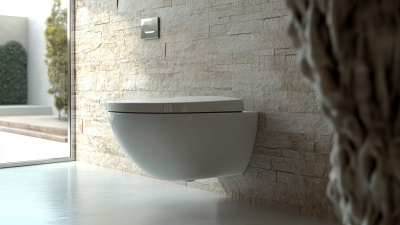
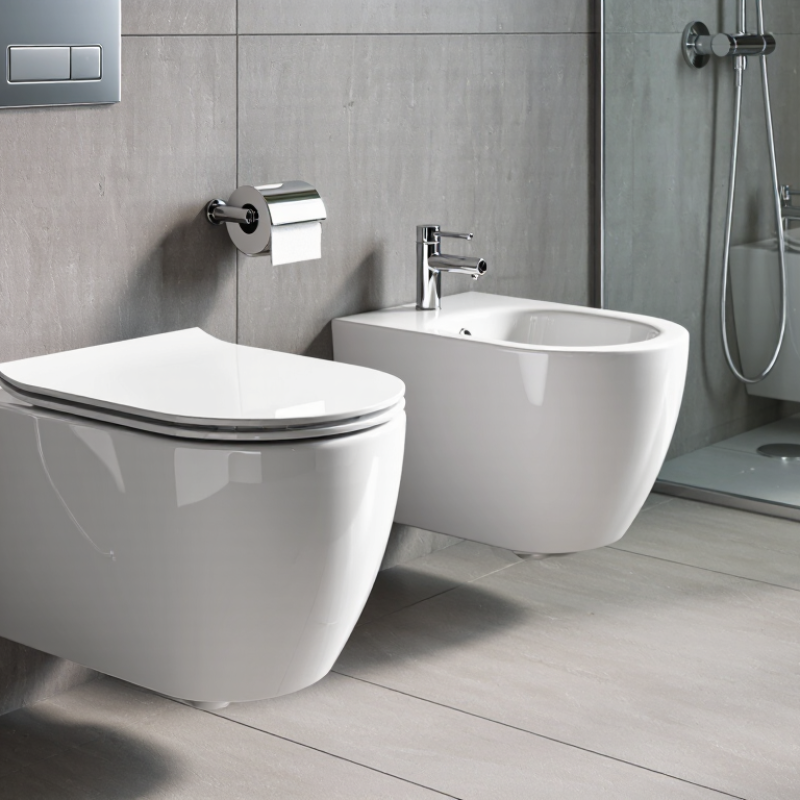
A wall-hung bidet toilet combines a toilet pan and personal cleansing system in one bathroom fixture. The bowl attaches to a concealed steel frame, leaving the floor open underneath. This creates a lighter appearance and makes floor cleaning easier. A Bidet Toilet Wall Hung model usually includes a heated seat, adjustable water temperature, and a self-rinsing nozzle. Some models add warm-air drying, odor control, night lighting, and a remote control. Features vary widely.

The concealed cistern needs careful planning before the wall is closed. Installers should check frame strength, water pressure, drainage position, and electrical access. A qualified technician should confirm local plumbing and electrical requirements. The nozzle should extend smoothly and retract fully after use. Its spray pattern should feel controlled, not sharp or uneven. Ceramic quality also matters. A well-glazed surface resists stains and supports easier daily cleaning.

Global buyers often focus on appearance and overlook service access. That can be an expensive mistake. An inspection panel, replaceable filters, and clear installation instructions improve long-term reliability. I would also test the flush during low water pressure, because showroom performance can feel misleading. The seat should close quietly, while the controls need readable symbols and simple manual overrides. Small details matter. Still, no model is perfect, and users should question claims about effortless maintenance, especially when replacement parts are difficult to source.

2026 Best Wall-Hung Bidet Toilet for Global Buyers

Wall-Hung Bidet Toilets: Definition and Core Features

The chart compares representative flush volumes used in international toilet specifications. A wall-hung bidet toilet commonly uses about 4.8–6.0 liters per flush, while WaterSense-certified toilets are limited to 4.8 liters per flush. Actual performance depends on the concealed cistern, flushing technology, local standards, and installation settings.

How Wall-Hung Bidet Toilets Work

A wall-hung bidet toilet uses a concealed carrier frame to support the bowl behind the wall. The cistern, inlet valve, and waste connection sit inside this service space. Pressing the control panel releases water into the bowl and activates the bidet nozzle. The nozzle usually extends only during use, then retracts for hygiene. Many models also offer adjustable water temperature, pressure, seat heat, and warm-air drying.

During installation, I have found that accurate pipe positioning matters more than expected. A small error can affect the bowl height, drainage, or control panel alignment. The electrical connection should use protected, grounded wiring and remain accessible for inspection. Buyers comparing a China Wall Hung Bidet Toilet should check water pressure requirements, nozzle cleaning functions, replacement parts, and local plumbing standards. Product drawings are useful, but real wall conditions can still create surprises.

Tips: Leave an access route for the concealed components. Confirm the finished floor height before fixing the frame. Test flushing and spray pressure before closing the wall. A filter may help in areas with hard water. Some automatic features sound impressive, yet they can increase maintenance needs. Simpler controls may prove more dependable.

Key Buying Criteria for Global Markets in 2026

2026 Best Wall Hung Bidet Toilet for Global Buyers?

For global buyers, the best wall hung bidet toilet starts with market compatibility. Check the required water pressure, drainage position, electrical voltage, and frequency before comparing features. A concealed tank can save bathroom space, but its frame must match local wall construction. Rough-in measurements matter. A small error can delay installation and increase labor costs.

Look for tested materials, clear installation instructions, and dependable replacement parts. Heated seats, adjustable washing, warm air drying, and automatic flushing can improve daily comfort. However, more functions also create more maintenance points. Select products with accessible filters, simple controls, and documented safety testing for the destination market. Confirm water-efficiency data and electrical protection through recognized certification bodies. A local installer should review compatibility before purchase. This step is often skipped.

Tips: Request technical drawings, packaging dimensions, spare-part lists, and warranty terms in writing. Compare after-sales support, not only the showroom price. Ask whether remote troubleshooting is available. Also, test the control layout if possible. Some interfaces look elegant but feel confusing at night. No checklist is perfect. Global conditions differ, and even reliable products may need adaptation for hard water, unstable pressure, or limited service access. Think beyond the first installation. A practical toilet should remain understandable five years later.

Comparing Hygiene, Comfort, Water Use, and Energy Efficiency

A wall hung bidet toilet can make daily hygiene cleaner and easier to manage. A built-in bidet uses a focused water stream, reducing dependence on toilet paper. Look for adjustable pressure, temperature, nozzle position, and self-rinsing functions. These details matter more than a long feature list. Skin comfort varies, so testing the spray angle remains valuable.

Water efficiency depends on both the bidet and the flush system. A well-designed dual-flush toilet may use less water than older floor-mounted models. However, high-pressure spray settings can increase consumption during repeated use. Ask for measured flow rates, flush volumes, and laboratory test records. Do not rely only on marketing language. Small differences become noticeable in busy homes, hotels, and shared facilities.

Comfort also includes sitting height, seat warmth, noise, and maintenance access. Heated seats consume electricity, especially in cold rooms or frequent-use bathrooms. Energy-saving modes can reduce standby demand, but performance may feel slower afterward. An OEM Wall Hung Bidet Toilet should include clear wiring requirements, service instructions, and compatible replacement parts. I would not assume every imported model fits every plumbing layout. Wall reinforcement, drainage position, and local electrical standards still require professional checking. The concealed tank looks neat, yet repairs can become inconvenient without a proper access panel.

Installation, Compatibility, and Bathroom Planning Requirements

A wall-hung bidet toilet can make a bathroom look spacious, but installation demands accurate planning. The concealed carrier frame must match the wall structure and support the toilet safely. Confirm the drain position, water inlet height, finished floor level, and required wall depth before ordering. A few centimeters can affect the entire layout.

For a Wholesale Wall Hung Bidet Toilet project, check regional compatibility carefully. Electric bidet functions may require specific voltage, frequency, grounding, and residual-current protection. Water pressure also differs between buildings, especially in high-rise apartments. Confirm connection sizes with a licensed plumber. The flush plate, seat, and internal parts should remain accessible after the wall is closed. Service access matters.

Bathroom planning should include the door swing, side clearance, user height, and nearby basin position. Keep enough space for cleaning around the bowl. Measure the finished wall, not only the rough construction. I have seen attractive drawings fail because the service panel was forgotten. It is an easy mistake. Another concern is noise from the concealed cistern, which may travel through lightweight walls. Add suitable insulation where practical, but do not block maintenance access. Product drawings are useful, yet a physical site check remains more reliable.

2026 Best Wall Hung Bidet Toilet for Global Buyers? - Installation, Compatibility, and Bathroom Planning Requirements

A practical comparison and planning reference for selecting a wall-hung bidet toilet. Dimensions and technical values are typical ranges; always confirm the final product specification, local plumbing code, electrical code, and structural requirements before installation.

Planning Dimension Typical Requirement or Range Compatibility and Installation Check Global Buyer Planning Notes
Toilet Type Wall-hung pan with concealed cistern and concealed carrier frame; bidet functions may be integrated into the seat or ceramic pan. Confirm that the pan, carrier frame, flush plate, concealed tank, water connections, and electrical components are designed to work together. Do not assume that a wall-hung pan can be fitted to an existing floor-mounted toilet connection without structural and drainage modifications.
Overall Projection Approximately 500–600 mm (19.7–23.6 in) from the finished wall, excluding optional shelves or cabinets. Measure from the finished wall surface rather than the unfinished stud face. Include the thickness of wall panels, tiles, and adhesive. A shorter projection can improve movement in compact bathrooms, but may reduce bowl length or service space.
Finished Seat Height Common installation range: about 400–460 mm (15.7–18.1 in) from finished floor to the top of the seat. The carrier frame normally allows height adjustment before the wall is closed. Set the height according to user needs and local accessibility requirements. Use a higher setting for easier transfers where appropriate, while checking comfort, wash-basin height, and door clearance.
Bowl Width Typically about 360–400 mm (14.2–15.7 in), measured at the widest external point. Check the ceramic pan width against the carrier frame, finished wall opening, side clearances, and adjacent fixtures. Actual external width varies by pan shape and bidet-seat design; use the technical drawing for final bathroom planning.
Wall Cavity Depth Often approximately 150–250 mm (5.9–9.8 in), depending on the carrier, cistern, pipework, insulation, and wall finish. Verify that the existing wall can accommodate the concealed system or plan a service duct, false wall, or furniture enclosure. Renovation projects usually require a deeper build-out than new construction with a purpose-designed service cavity.
Carrier Frame Structure Use a load-bearing steel carrier frame fixed to suitable floor and wall supports. The frame must be rated for the installed pan and user load. Fixing points must connect to structural elements, not only plasterboard or tile backer board. Follow the frame manufacturer’s fixing pattern. For timber or light-gauge metal construction, additional blocking or a purpose-built support system may be required.
Finished Wall Surface Typical finished wall materials include tiled cement board, masonry, moisture-resistant board, or a designed service panel. Protect access to the flush valve, water shut-off, electrical isolation, and bidet-seat connections through the flush-plate opening or a separate service panel. Do not permanently seal service components behind non-removable finishes.
Waste Outlet Most wall-hung systems use a horizontal waste connection into a concealed soil pipe; common outlet sizes are approximately 90–110 mm (3.5–4.3 in). Confirm outlet diameter, pan connector type, centerline, fall, and connection direction with the selected carrier and local drainage system. Regional drainage practices differ. A local plumber should verify compatibility with the building’s soil stack and venting arrangement.
Waste Centerline Many systems use a centerline close to 180–230 mm (7.1–9.1 in) above the finished floor, but the exact value is system-specific. Set the carrier and drainage outlet using the installation drawing. Account for finished floor thickness before fixing the frame. Never transfer a centerline dimension from another model without checking the selected frame and pan combination.
Water Supply Connection A dedicated cold-water connection is typical. Common nominal connection sizes include 1/2 in or 15 mm equivalents, subject to the local system. Provide an accessible shut-off valve, suitable pressure-rated pipework, and any required filter or backflow protection. Thread forms and nominal sizes vary by market. Confirm whether the product uses BSP, NPT, metric, or another connection standard.
Operating Water Pressure Electronic bidet functions commonly require a stable supply within the product’s stated range; many systems operate around 0.1–0.7 MPa (1–7 bar). Check the minimum pressure for spray performance and the maximum pressure allowed by the inlet valve. Install a pressure-reducing valve if necessary. Measure dynamic pressure while other fixtures are running, not only static pressure at an unused tap.
Flush Performance Typical dual-flush cistern settings are approximately 3/6 L or 3/4.5 L per flush, although actual values vary by system. Confirm the pan, trapway, cistern, flush valve, and flush plate are matched and tested as one system. Water-saving settings must still comply with local performance requirements and the drainage system’s flushing needs.
Electrical Supply Electronic bidet seats commonly use a dedicated 220–240 V or 100–120 V supply, depending on the target market and product version. Verify voltage, frequency, rated power, plug configuration, cable route, isolation method, and installation zone requirements before ordering. A product designed for one voltage range must not be connected to a different supply without an approved solution.
Residual-Current Protection The bidet circuit should normally have local residual-current or ground-fault protection as required by the applicable electrical code. Use a qualified electrician to select the protective device, earthing arrangement, isolation switch, and outlet location. Protection requirements vary by country and bathroom zone classification. Local code takes priority over general product guidance.
Electrical Outlet Location Place the outlet in a dry, accessible service area recommended by the product drawing, commonly behind or beside the concealed service zone. Keep the outlet away from direct splash zones and ensure the cable is not compressed by the ceramic pan, carrier, or access panel. Plan the cable route before closing the wall. Avoid extension cords inside concealed cavities unless specifically permitted by local regulations.
Side Clearance Allow practical clearance between the toilet centerline and adjacent walls or fixtures; accessibility layouts may require substantially more space. Check the widest point of the pan, bidet-seat controls, grab bars, vanity units, and door swing—not only the ceramic centerline. For international projects, use the accessibility standard applicable to the building location and occupancy type.
Front Clearance Provide sufficient open space in front of the pan for comfortable use, cleaning, and door movement; accessibility layouts generally require a larger clear zone. Draw the toilet projection, door leaf, shower screen, vanity, and storage units at full scale on the floor plan. Compact bathrooms often need an outward-opening or sliding door to avoid conflicts with the toilet and bidet controls.
Control and Remote Position Wall controls or handheld remotes should be reachable from the seated position without interfering with grab bars or nearby fixtures. Confirm whether controls are wireless, wired, side-mounted, or integrated into the seat. Provide a mounting surface and cable route where required. Keep the control location consistent with the user’s dominant hand and leave enough space for maintenance or battery replacement.
Ventilation and Moisture Use effective bathroom ventilation and moisture-resistant construction around the concealed cistern and electrical service area. Prevent condensation and water ingress around access panels, pipe penetrations, and wall finishes. Seal penetrations according to the wall system instructions. High humidity, poor ventilation, and concealed leaks can shorten the service life of electronic components and wall finishes.
Floor and Wall Level The finished floor and finished wall must be level and plumb within the tolerances stated for the carrier and pan. Install the carrier before final wall finishing, then recheck the finished dimensions after tiling or cladding. Uneven surfaces can cause pan movement, sealing problems, flush-pipe misalignment, and an incorrect seat height.
Service Access Keep the flush plate or designated access opening removable and large enough for routine valve, filter, and electrical servicing. Identify replaceable components before the wall is closed, including inlet valve, flush valve, filters, control module, and water connections. A concealed installation is practical only when routine service can be completed without removing tiles or breaking the wall.
Installation Sequence Typical sequence: confirm layout, install drainage and water services, fix carrier, pressure-test pipework, close and finish wall, install pan, connect bidet functions, and test. Complete water and electrical testing before final handover. Check for leaks under operating pressure and confirm flush and wash functions. Coordinate the plumber, electrician, wall finisher, and installer so that finished-floor and finished-wall dimensions remain consistent.
Recommended Buyer Documents Request the technical drawing, carrier-frame drawing, electrical specification, water-pressure range, installation manual, maintenance instructions, and spare-parts information. Compare the documents against the local bathroom plan before purchase, especially for voltage, connection standards, waste position, and service access. For multi-country projects, confirm the exact regional version rather than relying on a generic online image or translated product listing.

Important: The values above are general planning ranges, not a substitute for the selected product’s installation manual or local regulations. Final installation should be completed and tested by appropriately qualified plumbing and electrical professionals.

Maintenance, Safety, Certifications, and Long-Term Value

For global buyers, a wall-hung bidet toilet is not merely a bathroom upgrade. It is a long-term maintenance decision. Choose a model with a removable seat, reachable shut-off valve, and an accessible service panel. Concealed tanks look elegant, but hidden failures can become expensive. Check whether filters, spray nozzles, seals, and control boards have replaceable parts. A five-minute inspection matters.

Safety needs documented evidence, not attractive packaging. Ask for electrical test reports covering applicable requirements, including IEC 60335-2-84 where relevant. Water connections should include backflow protection, and EN 1717 guidance can help assess this risk. Check the product’s voltage, plug type, ingress protection, and local certification requirements. CE, UKCA, or other marks may apply, but none replaces installation by a qualified professional. This is where many buying guides become too optimistic.

Long-term value also depends on hygiene and water use. The WHO and UNICEF Joint Monitoring Programme reported that 3.5 billion people lacked safely managed sanitation in 2022. Reliable cleaning functions therefore deserve serious attention. The U.S. EPA WaterSense program reports savings exceeding 7.5 trillion gallons since 2006, although not every bidet toilet carries its label. Savings still depend on settings, household habits, and plumbing quality. I would also price a replacement seat and control module before purchase. Some systems are efficient, yet difficult to repair. That weakness should be admitted.

OL-A325 One-Piece Toilet: Elegant ADA-Compliant Comfort for Modern Bathrooms

The OL-A325 one-piece toilet brings ADA-compliant comfort and modern simplicity to contemporary bathrooms. Its elevated seat height supports easier sitting and standing, aligning with the U.S. ADA Standards, which specify a water-closet seat height of 17–19 inches for accessible installations. The elongated seat provides additional legroom, while the soft-close lid reduces noise and helps prevent sudden slamming—features that make the toilet comfortable for families, seniors, and users with limited mobility.

Water efficiency is another key advantage. The U.S. Environmental Protection Agency’s WaterSense criteria identify high-efficiency toilets as using no more than 1.28 gallons per flush, approximately 20% less water than traditional 1.6-gallon models. Designed with this conservation principle in mind, the OL-A325 helps reduce household water consumption without compromising everyday performance. Its open trapway also simplifies cleaning by improving access to exterior surfaces, supporting better hygiene with less maintenance. With a clean one-piece profile, elongated comfort, and accessibility-focused design, it suits minimalist residential, hospitality, and commercial bathroom projects. OEM/ODM cooperation, trade orders, and wholesale inquiries are welcome.

FAQS

How does a wall-hung bidet toilet work?

A concealed frame supports the bowl behind the wall. Pressing the control panel starts flushing and bidet washing. The nozzle retracts after use.

What features can improve daily comfort?

Common features include adjustable water pressure, water temperature, heated seating, warm-air drying, and automatic flushing. More features can mean more maintenance.

Why are accurate measurements important during installation?

Pipe position affects bowl height, drainage, and control-panel alignment. Even a few centimeters can disrupt the bathroom layout. Small errors become expensive.

What should buyers check before ordering for another country?

Check water pressure, drainage position, voltage, frequency, grounding, and connection sizes. Local plumbing conditions may differ sharply between buildings.

How should the concealed frame and wall be planned?

Confirm wall strength, service-space depth, finished floor height, and waste-pipe location. The frame must suit the actual wall construction.

Can the internal parts be repaired after the wall is closed?

They should remain accessible through a service route or suitable access panel. Check the cistern, valve, filter, and electrical connection before sealing the wall.

What bathroom details are easy to overlook?

Measure door swing, side clearance, user height, basin position, and cleaning space. Also consider noise from the concealed cistern. Lightweight walls may transmit sound.

Is a complex control system always better?

Not necessarily. Simple controls may remain clearer at night and easier to repair. An elegant panel can still feel confusing. I would test it physically.

How can buyers prepare for long-term maintenance?

Request spare-part lists, warranty terms, technical drawings, and safety documents in writing. Consider hard water and unstable pressure. Five years later matters too.

Conclusion

A Bidet Toilet Wall Hung combines modern toilet design with integrated cleansing functions, offering improved hygiene, comfort, and space efficiency for contemporary bathrooms. Its concealed tank and wall-mounted structure create a clean appearance while making floor cleaning easier. Depending on the model, users may benefit from adjustable water temperature, spray position, pressure control, heated seating, odor reduction, and warm-air drying. These features can reduce reliance on toilet paper while supporting a more comfortable daily experience.

For global buyers in 2026, important considerations include water and energy efficiency, electrical requirements, plumbing compatibility, bathroom dimensions, installation access, and ease of maintenance. Buyers should also review safety features, material durability, user controls, warranty terms, and relevant regional certifications. Careful planning is essential because the wall carrier, drainage position, power outlet, and water supply must be compatible before installation. A well-selected unit can provide long-term value through reliable performance, hygienic operation, efficient resource use, and a streamlined bathroom design.
Aria

Aria

Aria is a dedicated marketing professional at Guangdong Oulu Sanitary Ware Co., Ltd., a leading company in the bathroom fixtures industry. With a profound knowledge of the company’s products, Aria excels in communicating their unique features and advantages to customers. Regularly updating the......
Previous 7 Best One Piece Chair Height Toilets for Easy Buying?